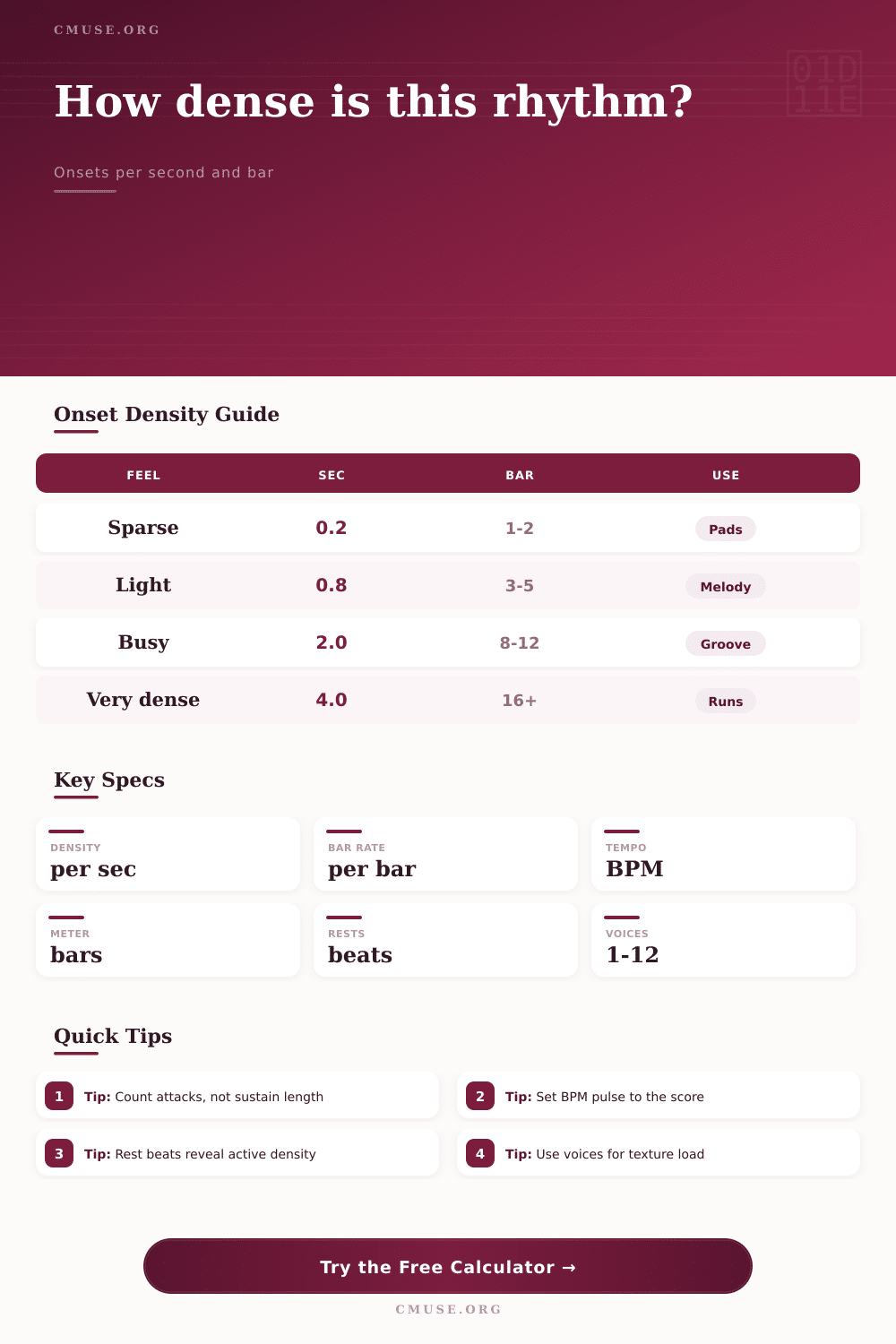
Onset Density Calculator for Music
On this page of sheet music, there are sixteenth-note runs and lots of tremolo marks making it look complicated. If you were a member of … Read more

This category is for all online tools built to calculate or convert any music related topics.
On this page of sheet music, there are sixteenth-note runs and lots of tremolo marks making it look complicated. If you were a member of … Read more
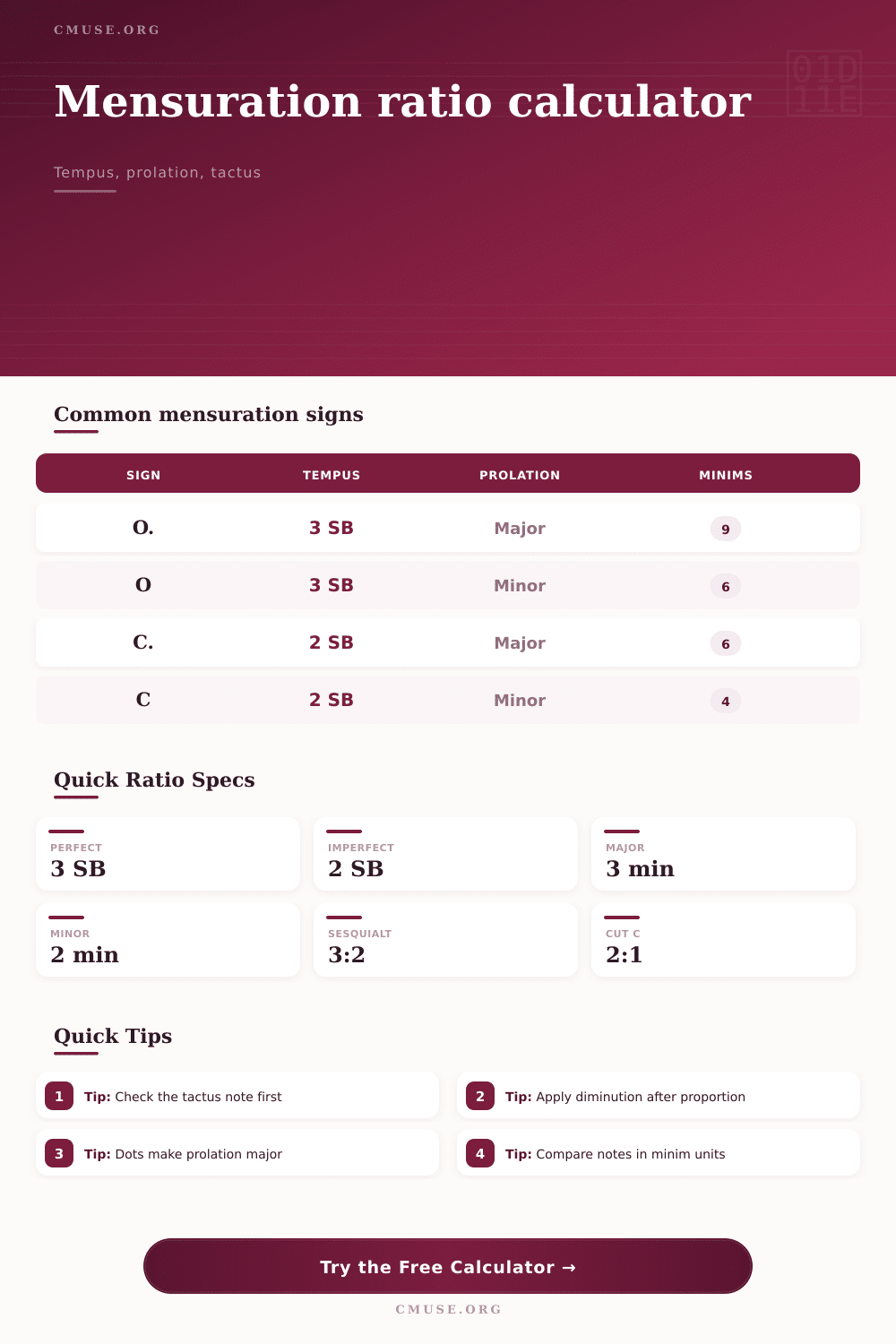
There it is, a copy of Josquin des Prez, looking at the opening bars of his music, feeling a tug on your heartstrings between a … Read more
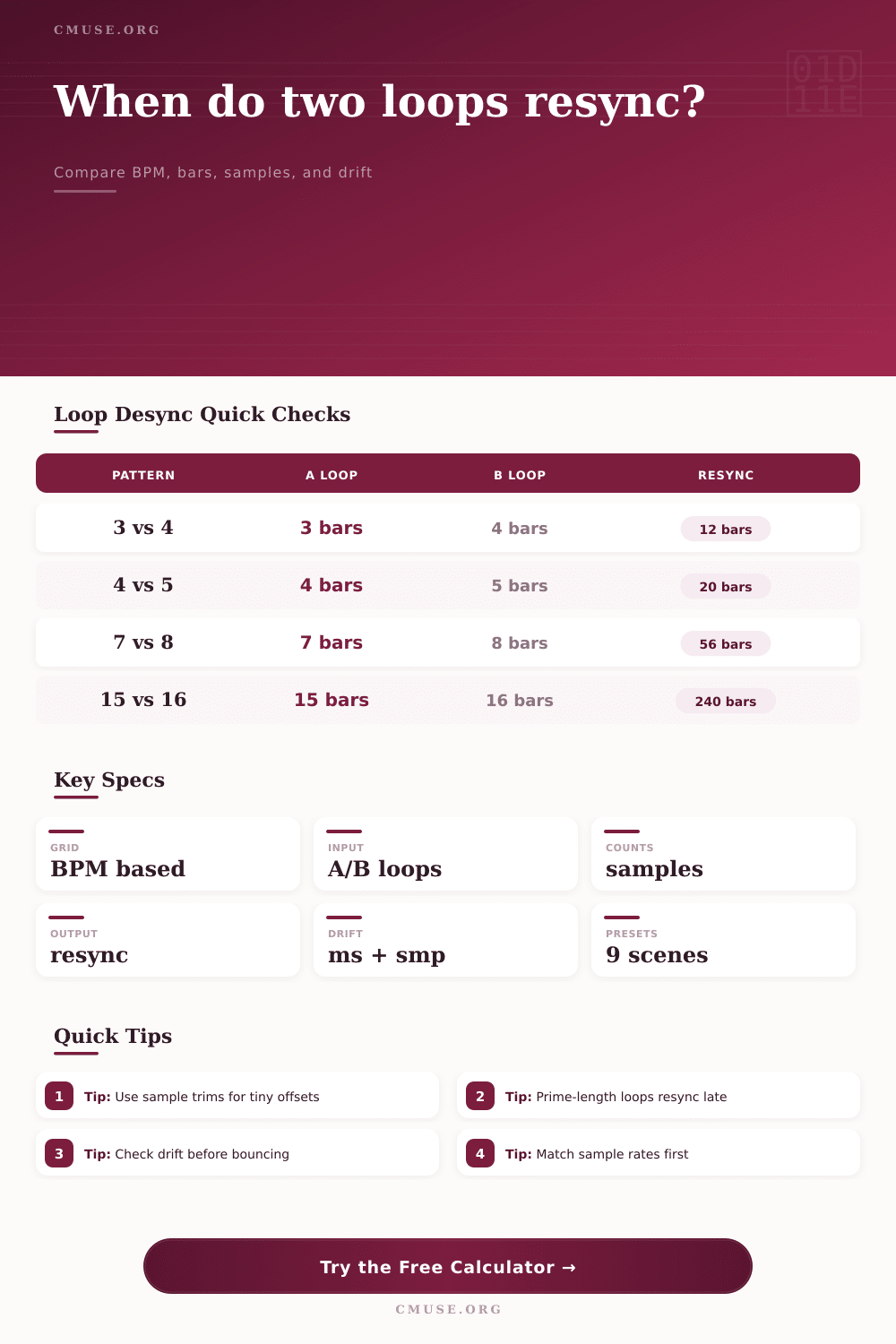
What you might find is that this seems ideal on its own but then, after an hour of twiddling about with some other piece, you … Read more
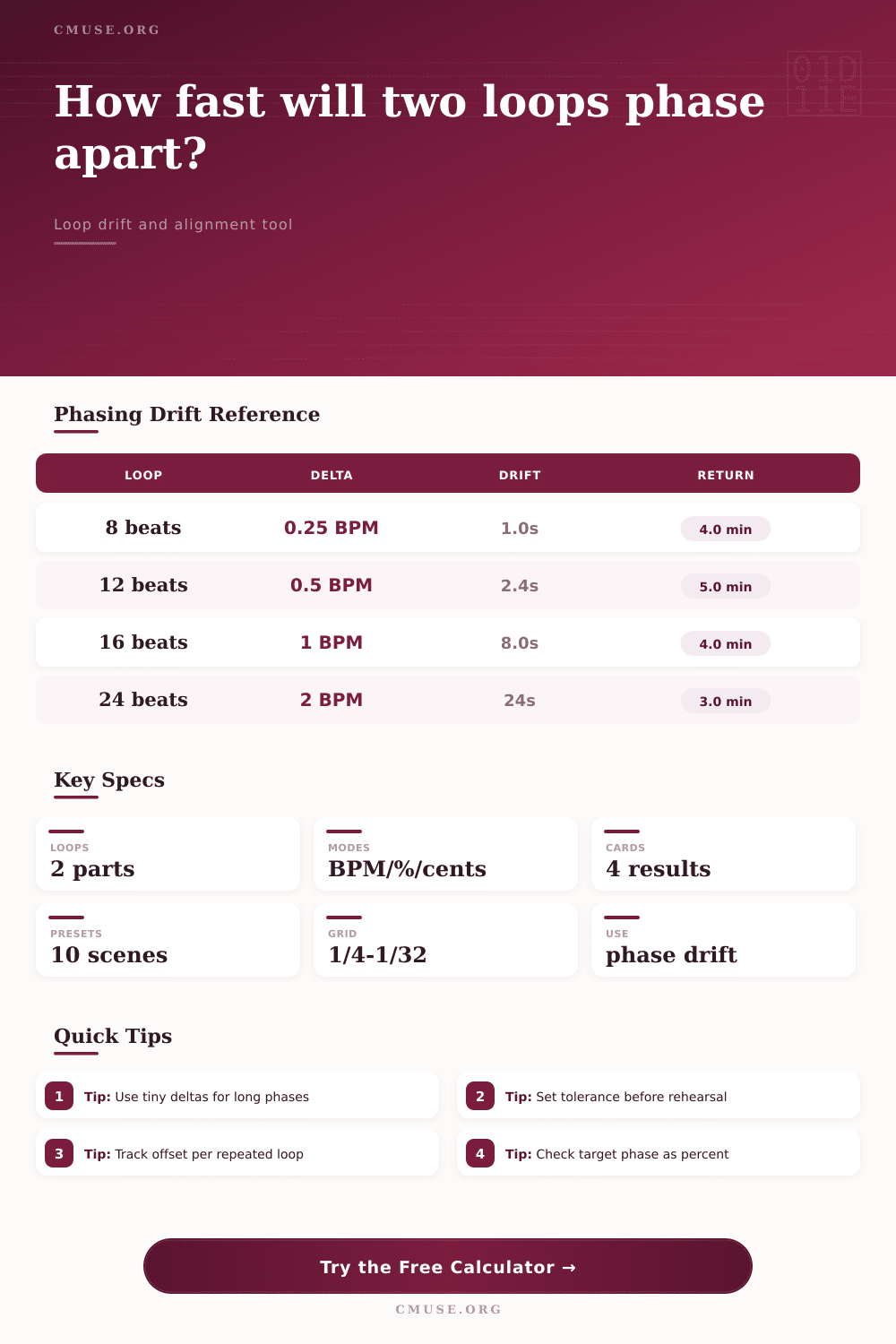
Manually phasing two loops is where the panic starts to set in. Initially you get both loops going and they line up for a couple … Read more
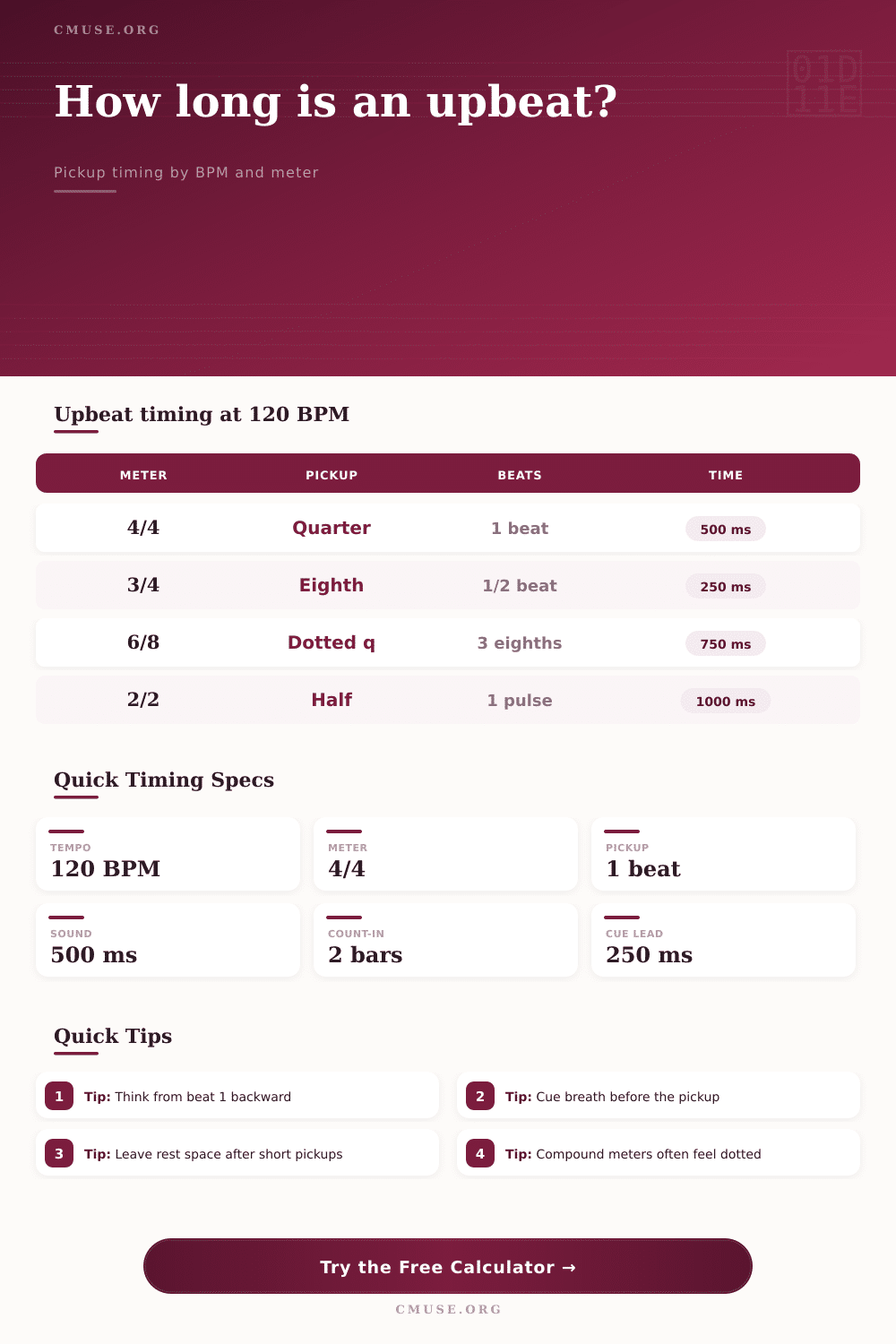
It is the link from rest to movement, the upbeat, or anacrusis. Not only does it keep time but length of it is key. It … Read more
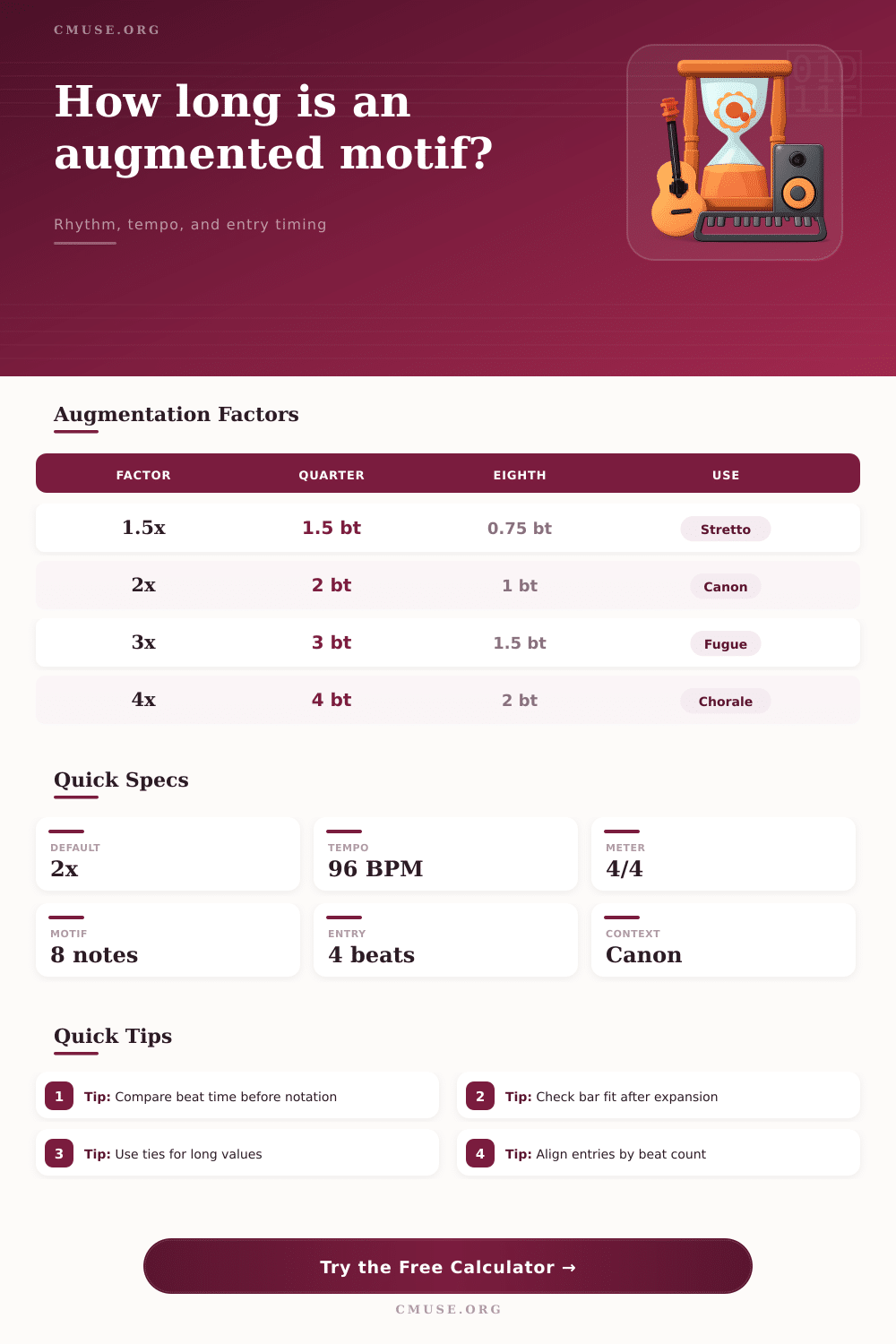
The rhythmic idea just sounds good in your head. It is short and crisp but you would of like to extend it for a fugue … Read more
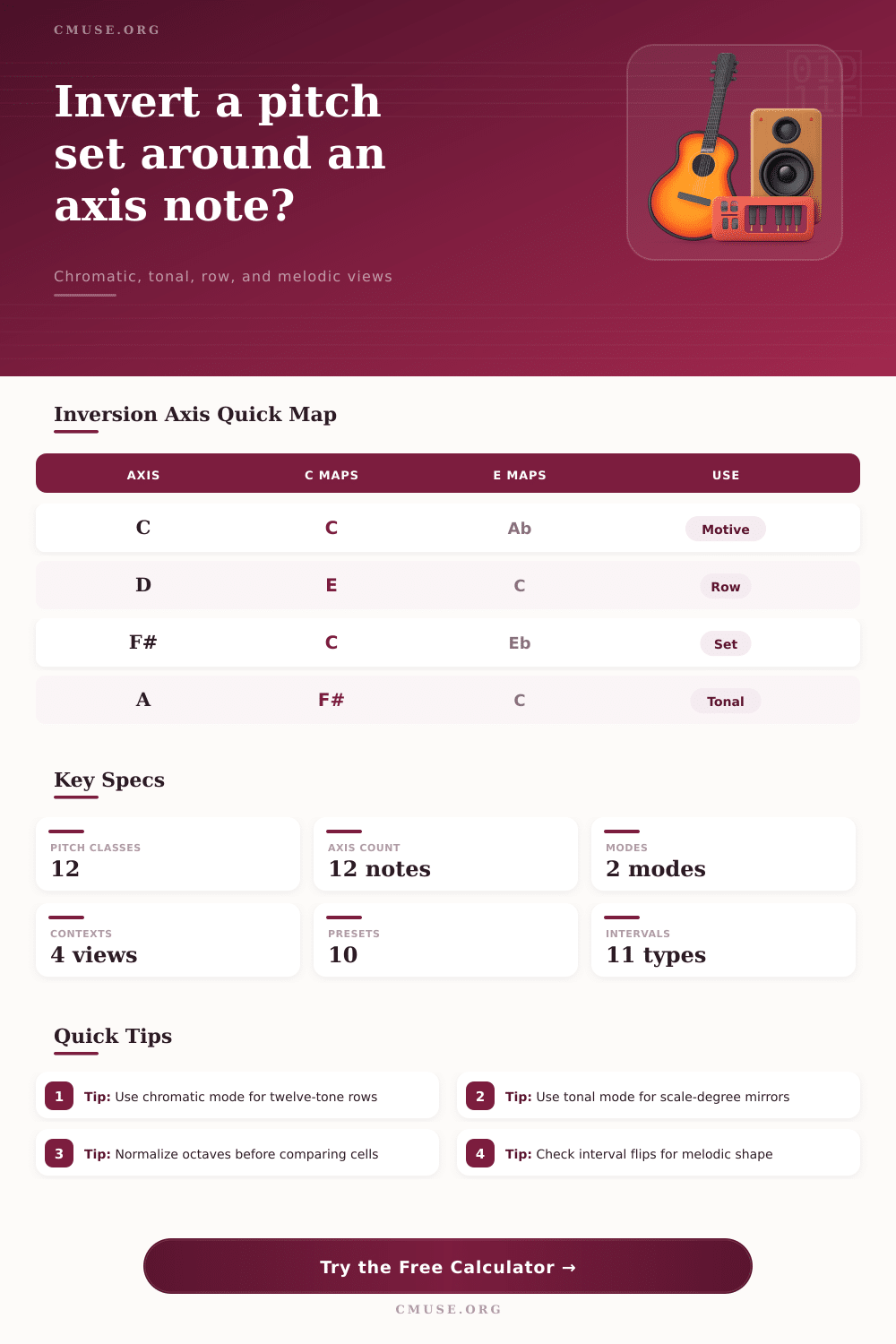
Inversion makes arithmetic look like music. You start with a melody, turn it inside out through some central point and the intervalic relationships remains unaltered, … Read more
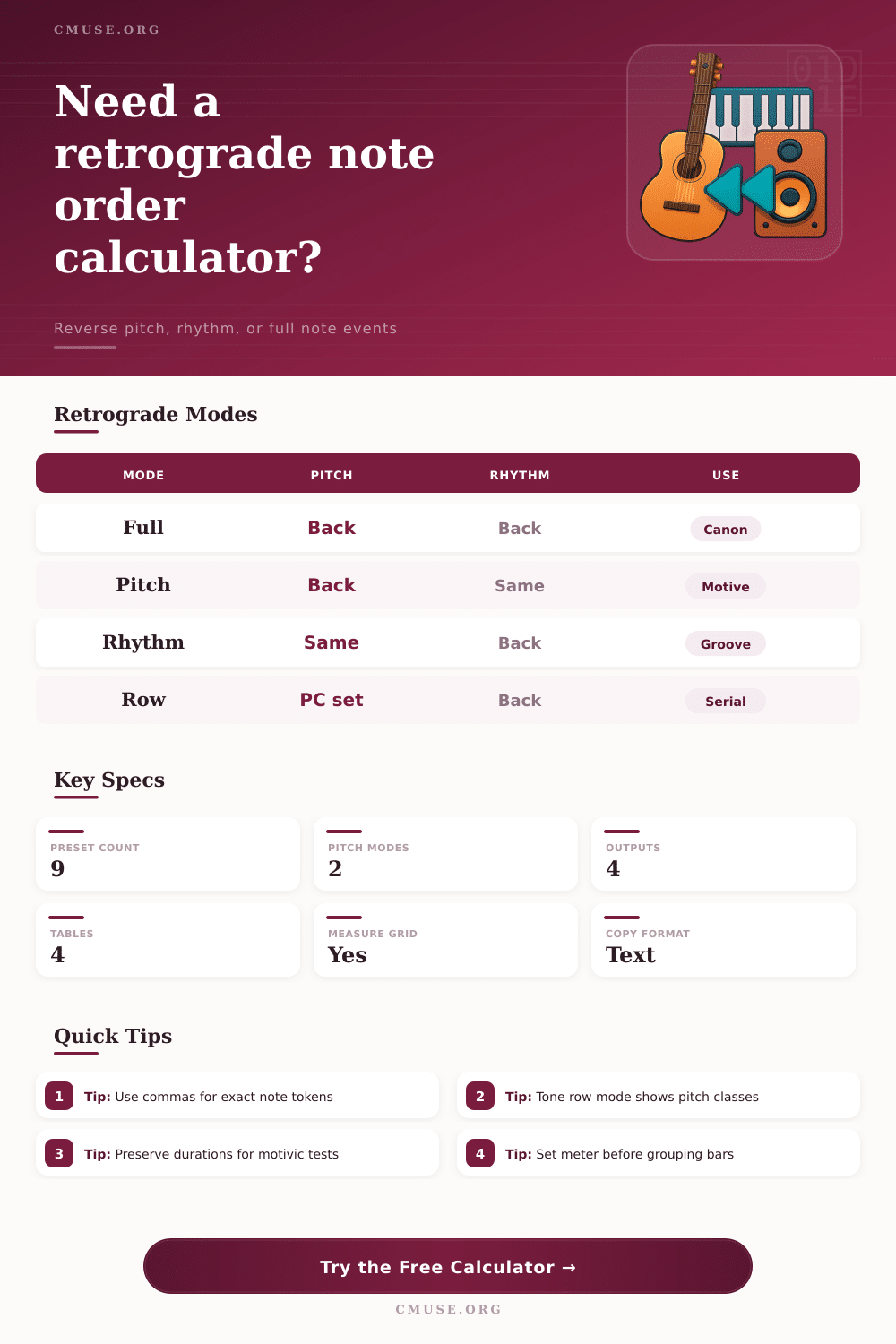
It plays one melody forwards while another play backwards, creating a symmetrical effect called a crab canon. Because each note has been inverted in exactly … Read more
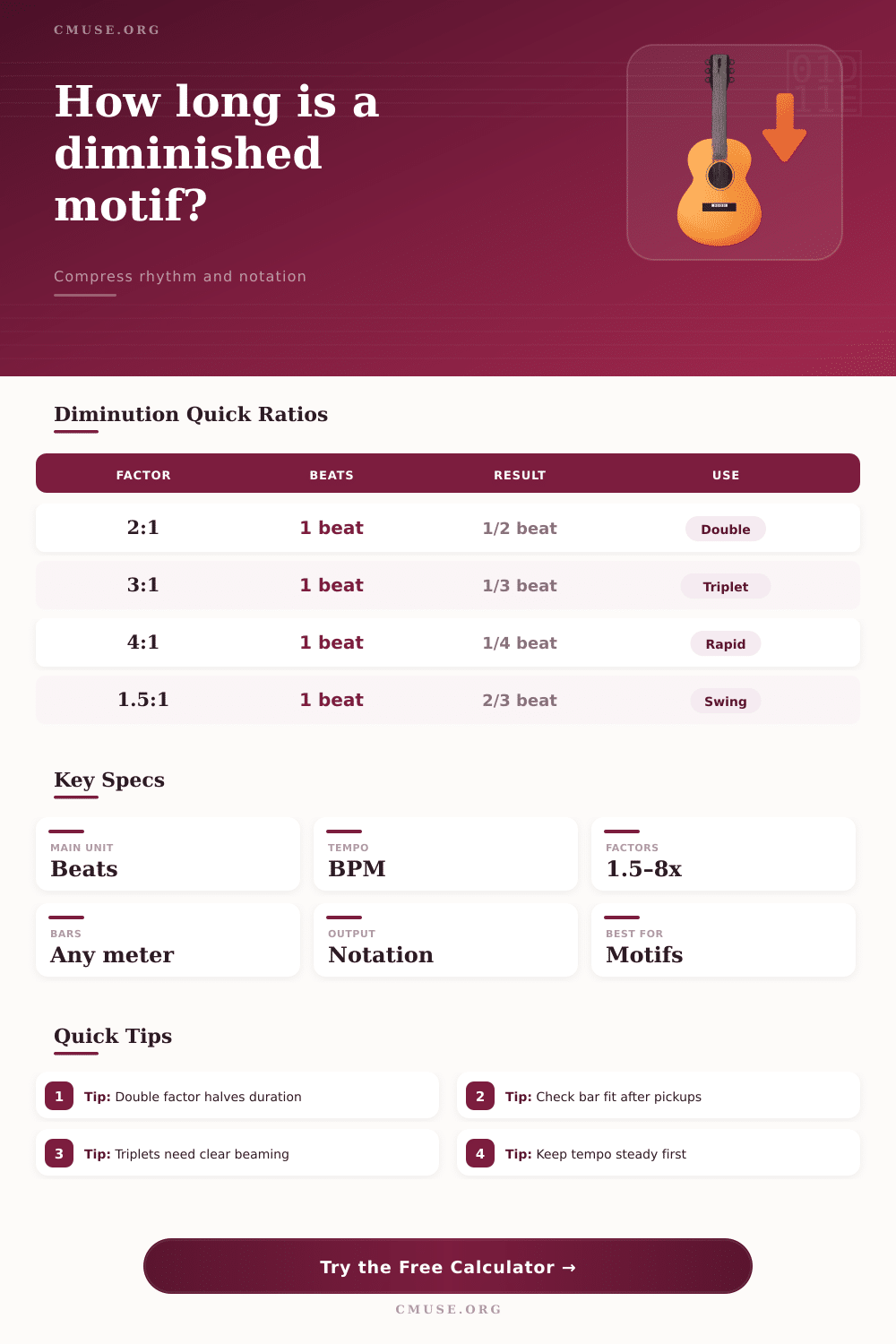
Perhaps you have a melody in your head which feels right if you sing it at a slow pace but not if you play it … Read more
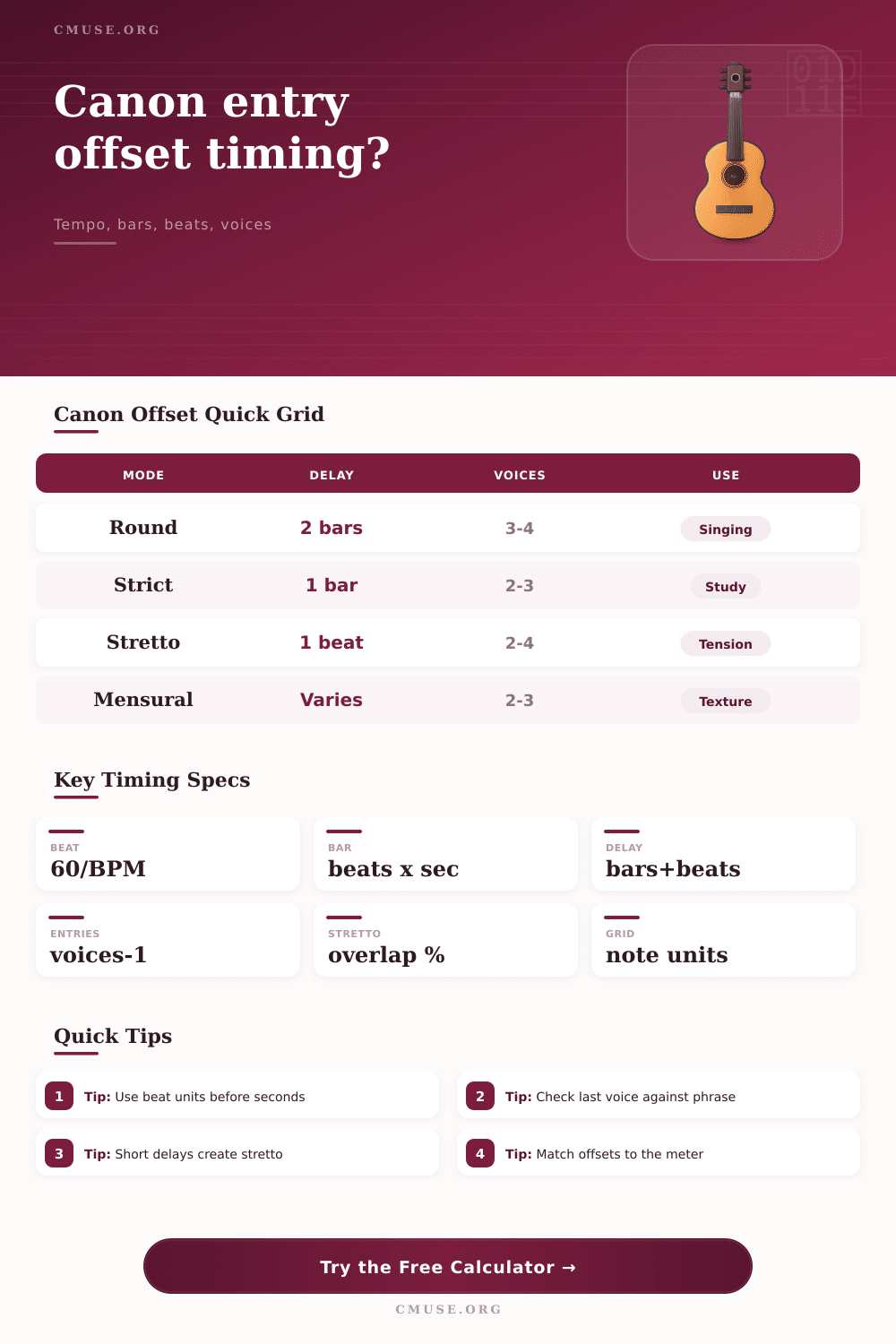
What about when to enter? How do you know what will sound good? Well, the math of the conversion is handled by the calculator above … Read more
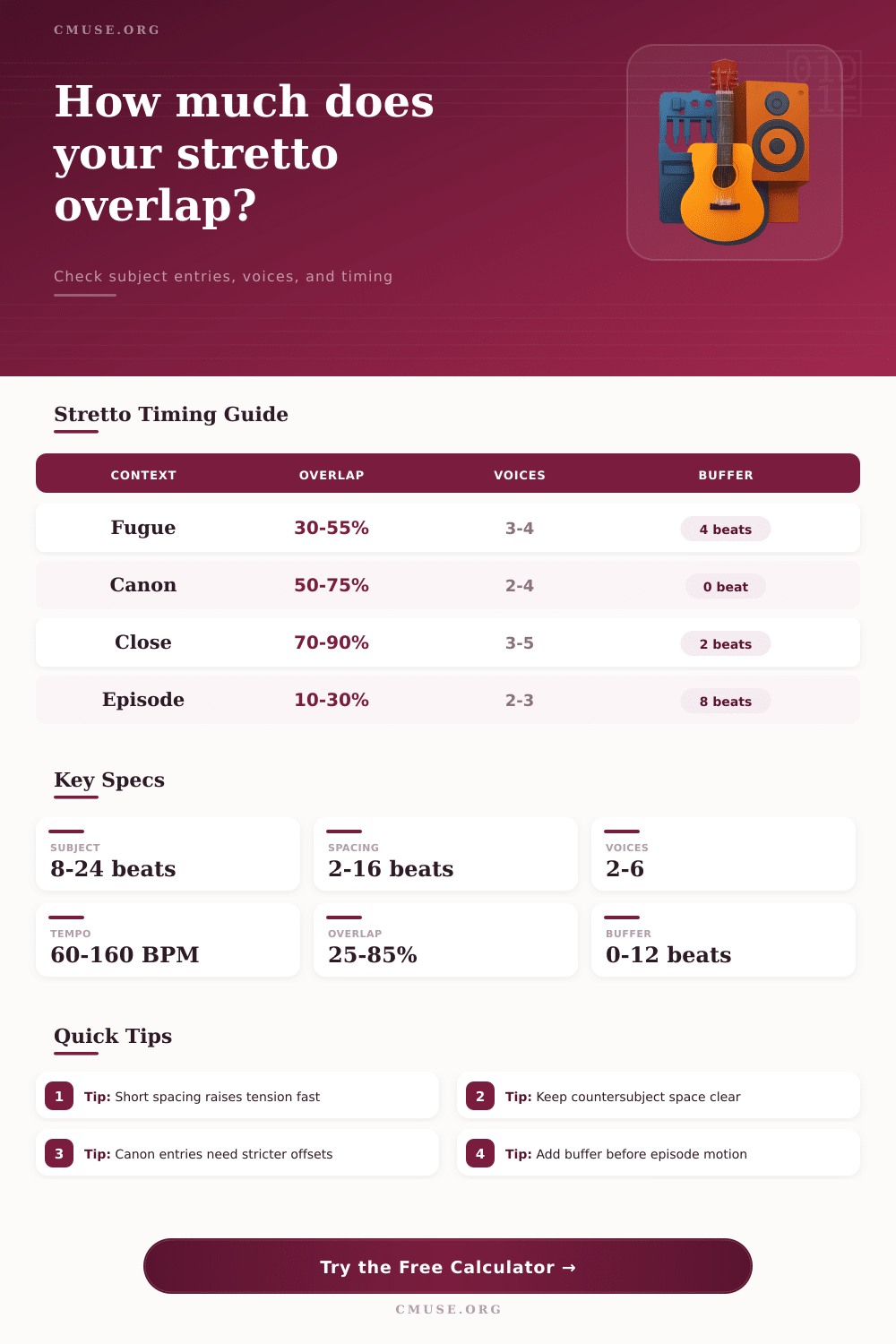
Consider then the point in a fugue where you can’t bear the tension and all the voices appear to scream at each other. Even though … Read more
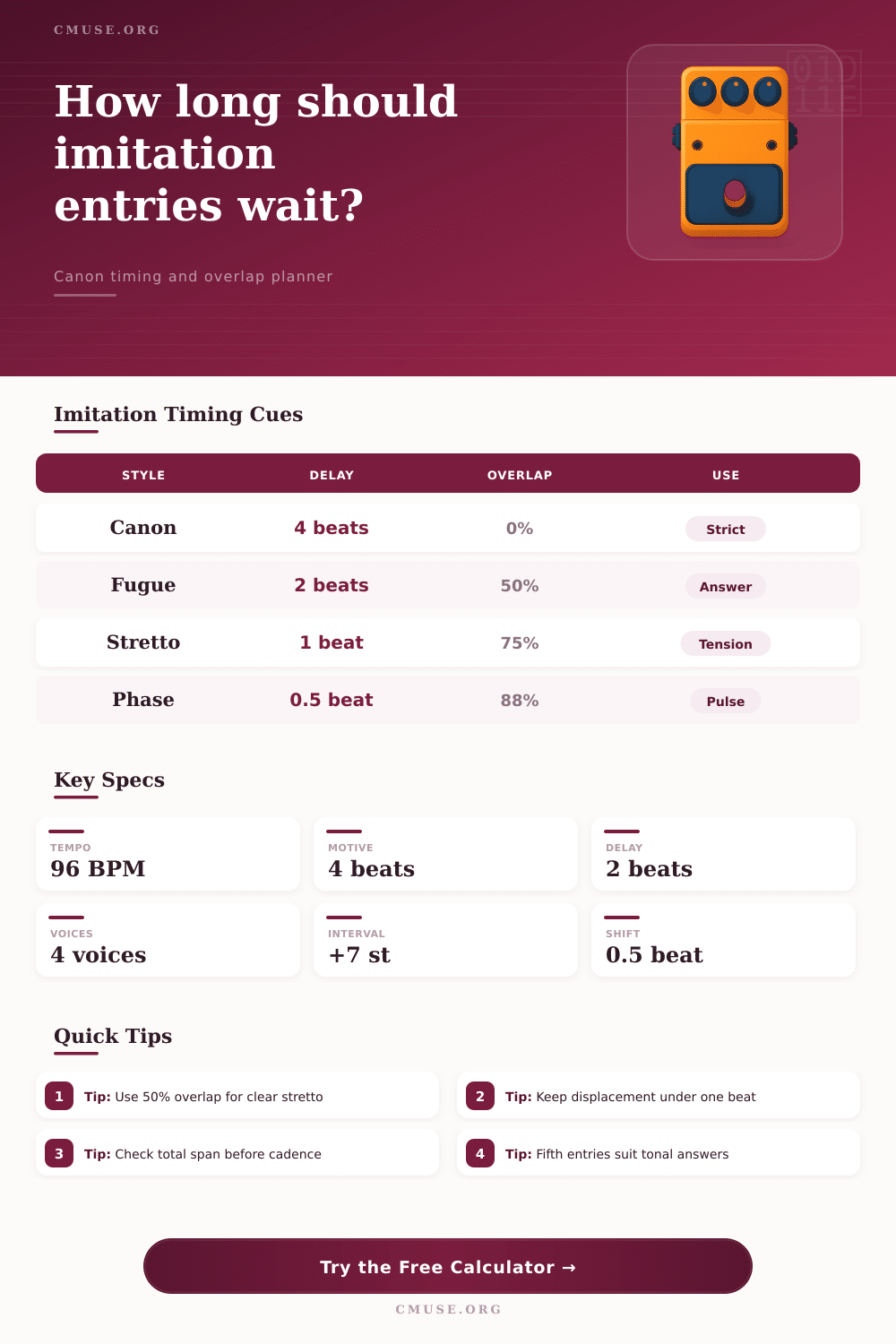
Another kind of anxiety occurs if your fugue subject sound amazing by itself but turns to mush as soon as second voice enters. That’s because … Read more
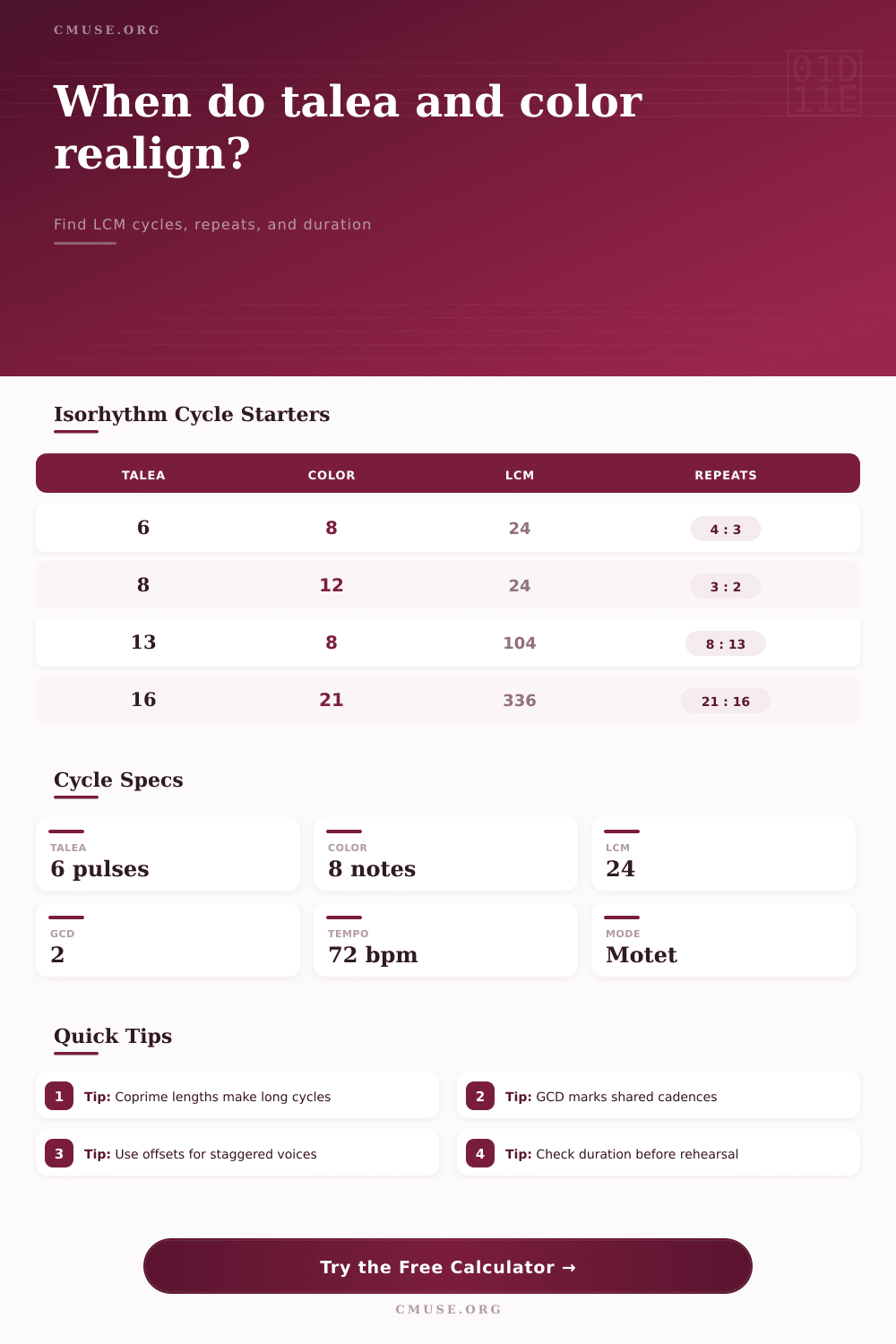
Rhythm and melody are divided apart. For the very first time in Western musical history, this was done by Philippe de Vitry in his fourteenth-century … Read more
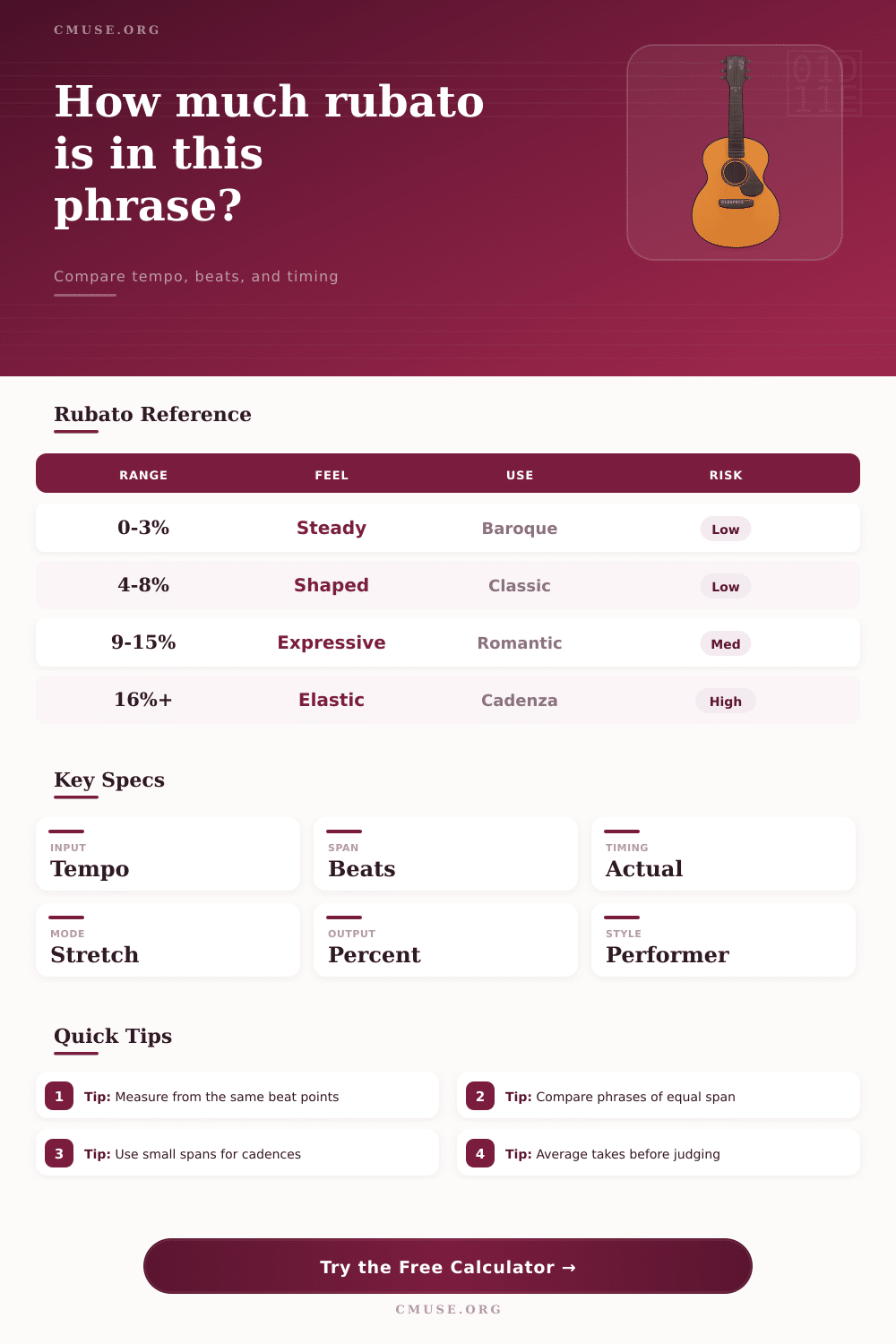
Tempo flexibility, known as rubato, is considered by most musicians to be a necessary element of emotional expression, although equally conceded as something hard to … Read more
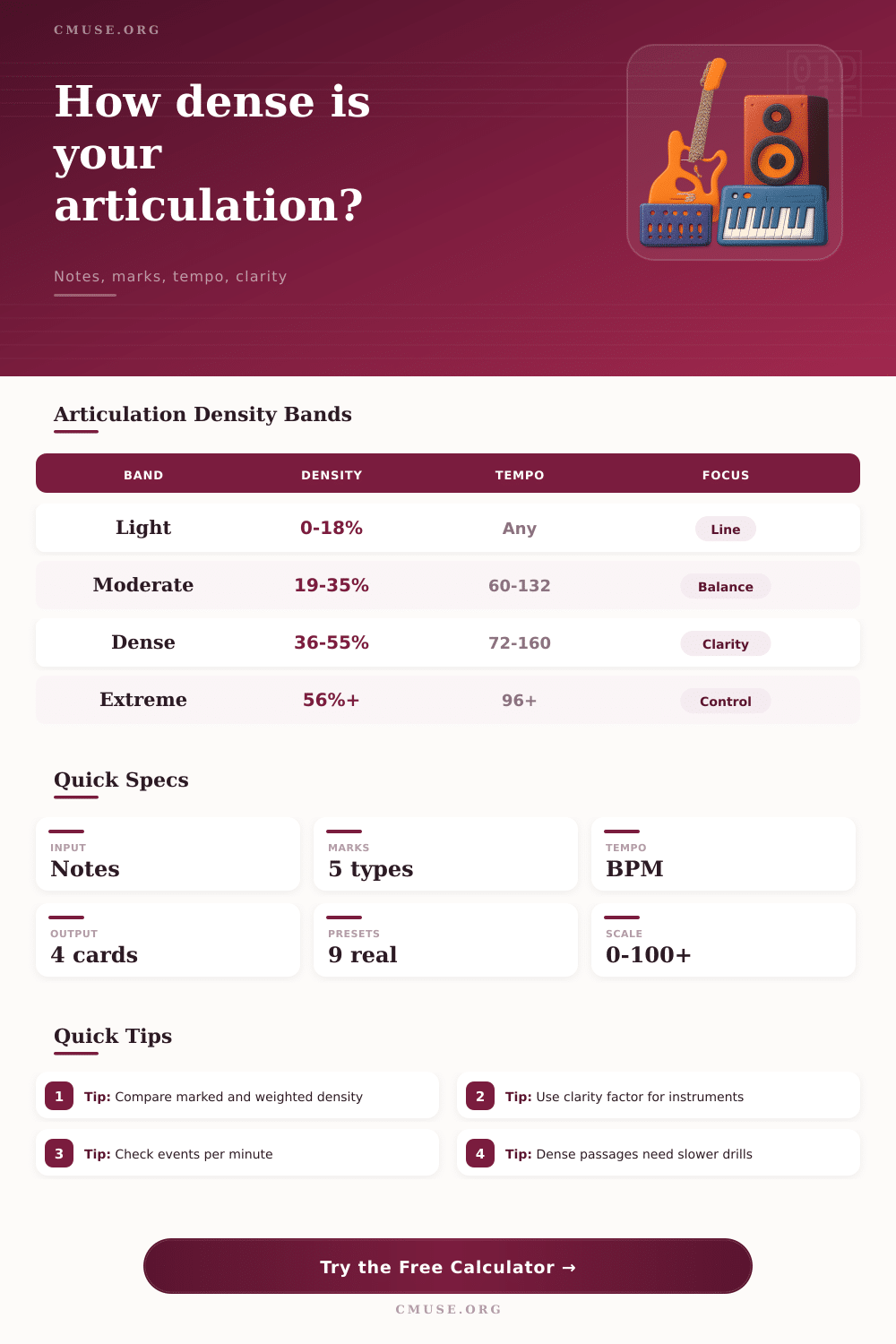
If there are too many things happening simultaniously during a passage, then it falls apart in rehearsal. Why? Because your brain cannot process an accent … Read more