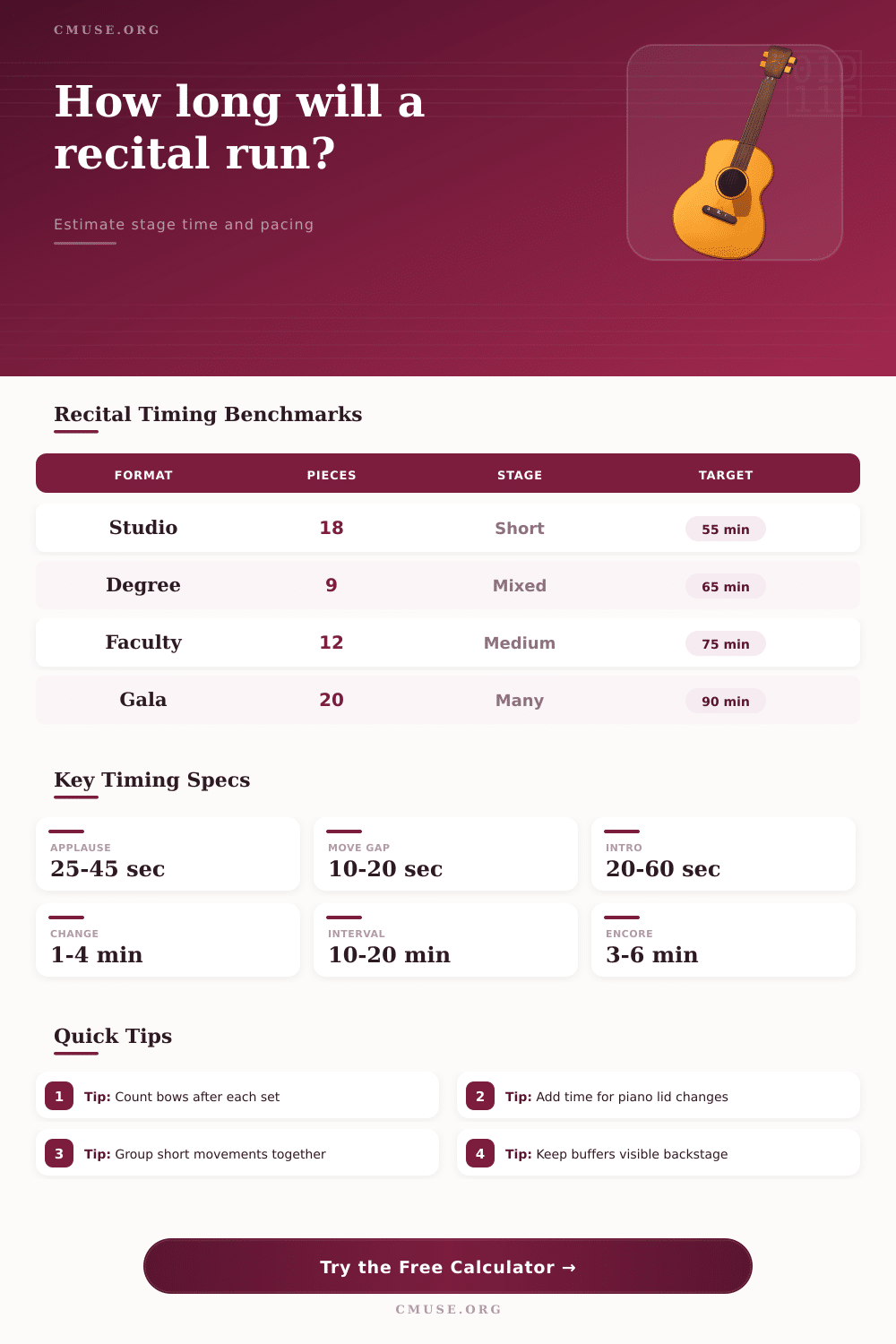
Recital Program Length Calculator
Forty-five minutes out from a recital, there is a certain kind of panic that occurs, but not one associated with any loss of memory. You’re … Read more

 CMUSE
CMUSE
Forty-five minutes out from a recital, there is a certain kind of panic that occurs, but not one associated with any loss of memory. You’re … Read more

This is a violin guide to playing the D major scale. The violin is played in first position across all four string (G, D, A … Read more

It’s a widget that allows you to create a brief piece of music that then splits into six versions of itself. Click on it with … Read more
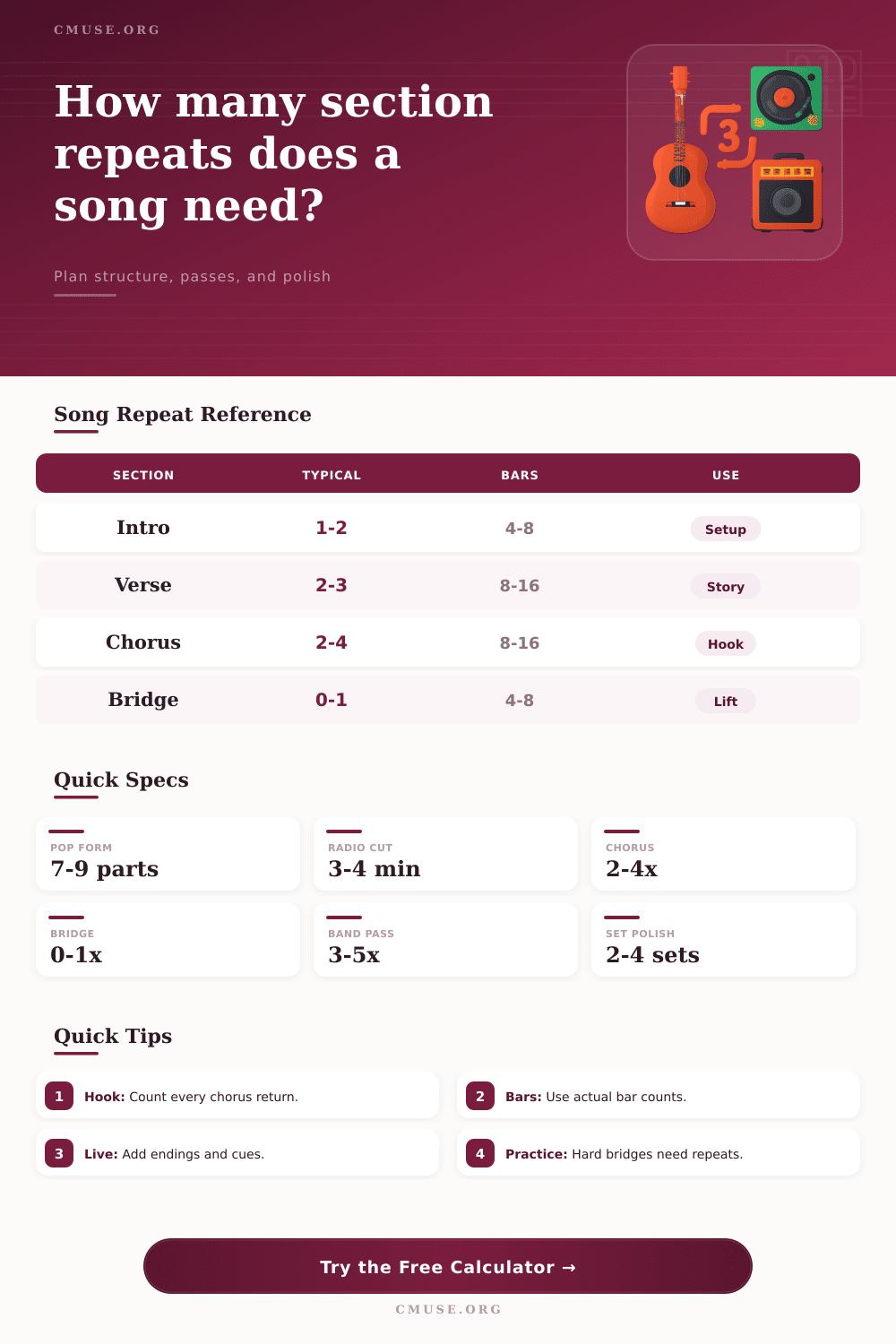
In a rehearsal room you might find the song feels too brief. You get through the structure one time and then it end. Or you … Read more

This is a virtual flute that plays notes and shows you how to play them. Just click any note on the grid, either with your … Read more

Use it to build a structure for your songs through staging instrument in different parts: verses, choruses, bridges etc. Then use the tools to edit … Read more
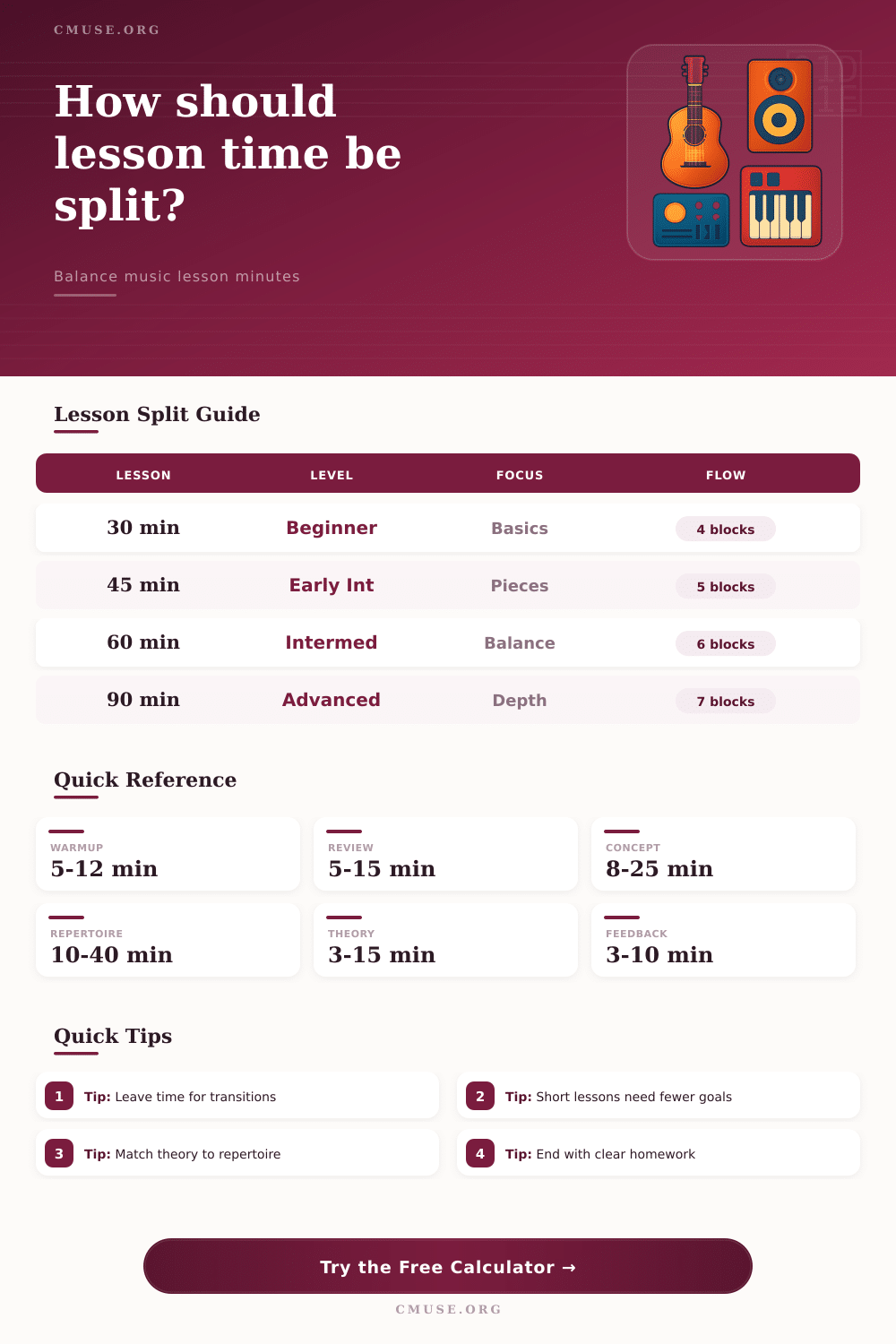
Maybe the warmup lasts too long, or your review take up too much time and leaves no room to introduce new concept. At some point, … Read more
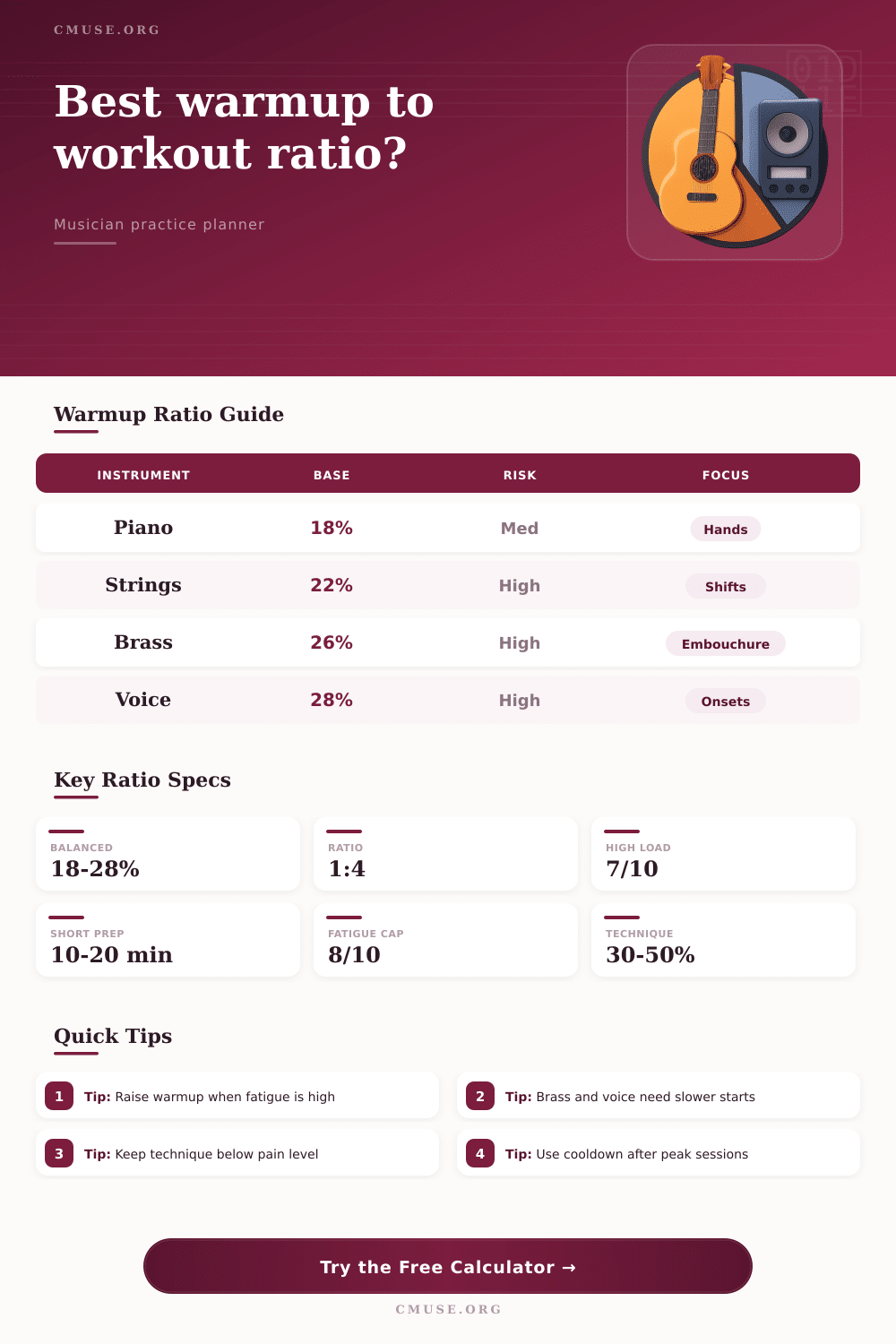
This protects your method because it eliminates any guess work in terms of preparing for performance. To see how long you should be warming up … Read more

This interactive finger chart demonstrates G major scale played in first position on violin, allowing you to both see and hear which fingers is used. … Read more

The Song Structure Builder lets you create your track like building a house, walking around it on a floor plan. You map the parts out … Read more
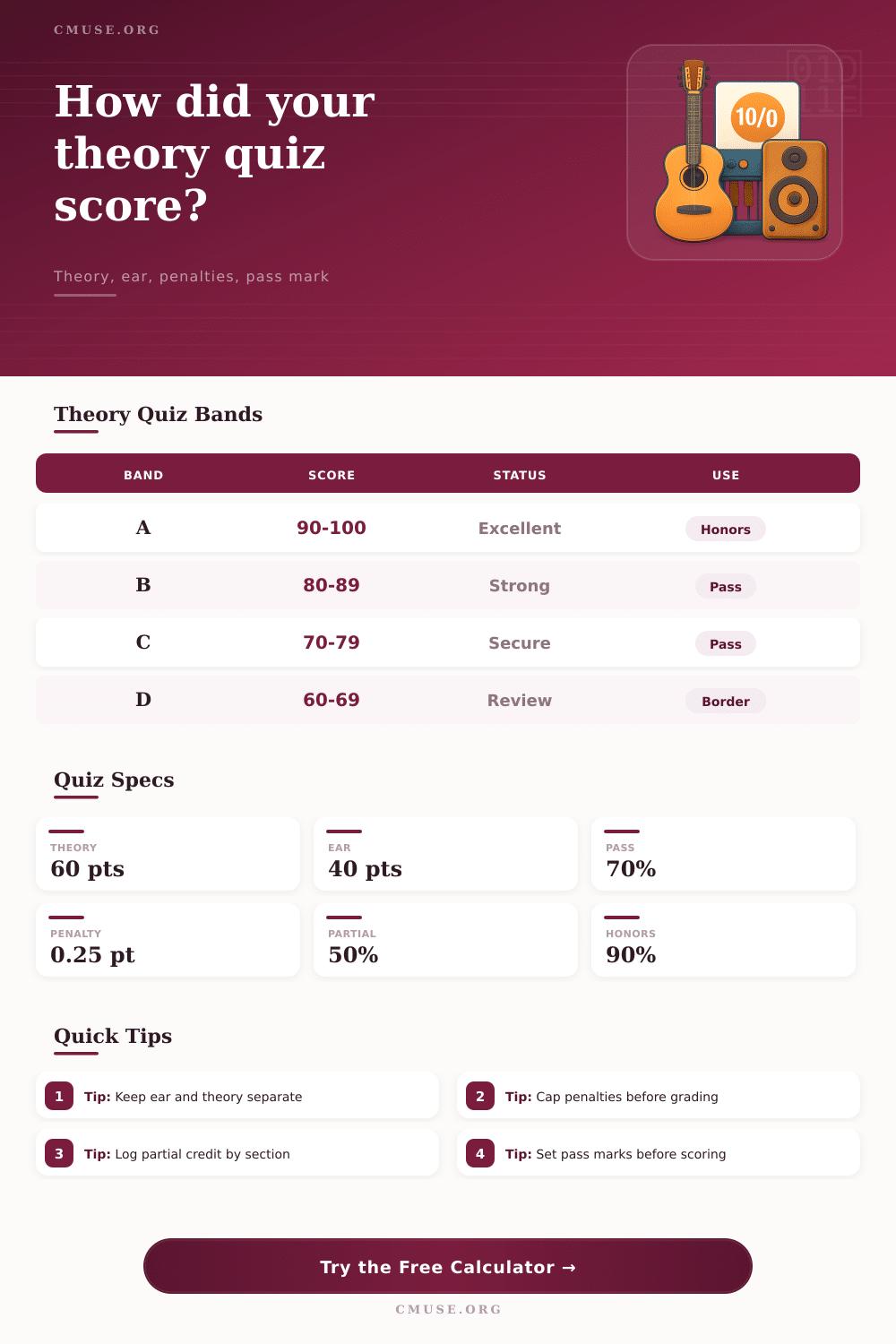
Two things is expected for music theory examinations; firstly knowledge of the rules and secondly an intuitive understanding of how something sounds. They don’t split … Read more

This interactive chart shows music notation symbols so you can learn signs you are likely to encounter in sheet music. To navigate around the chart … Read more

What this means in practice is that you can experiment and play around with the harmony of a piece, retaining the home key but borrowing … Read more
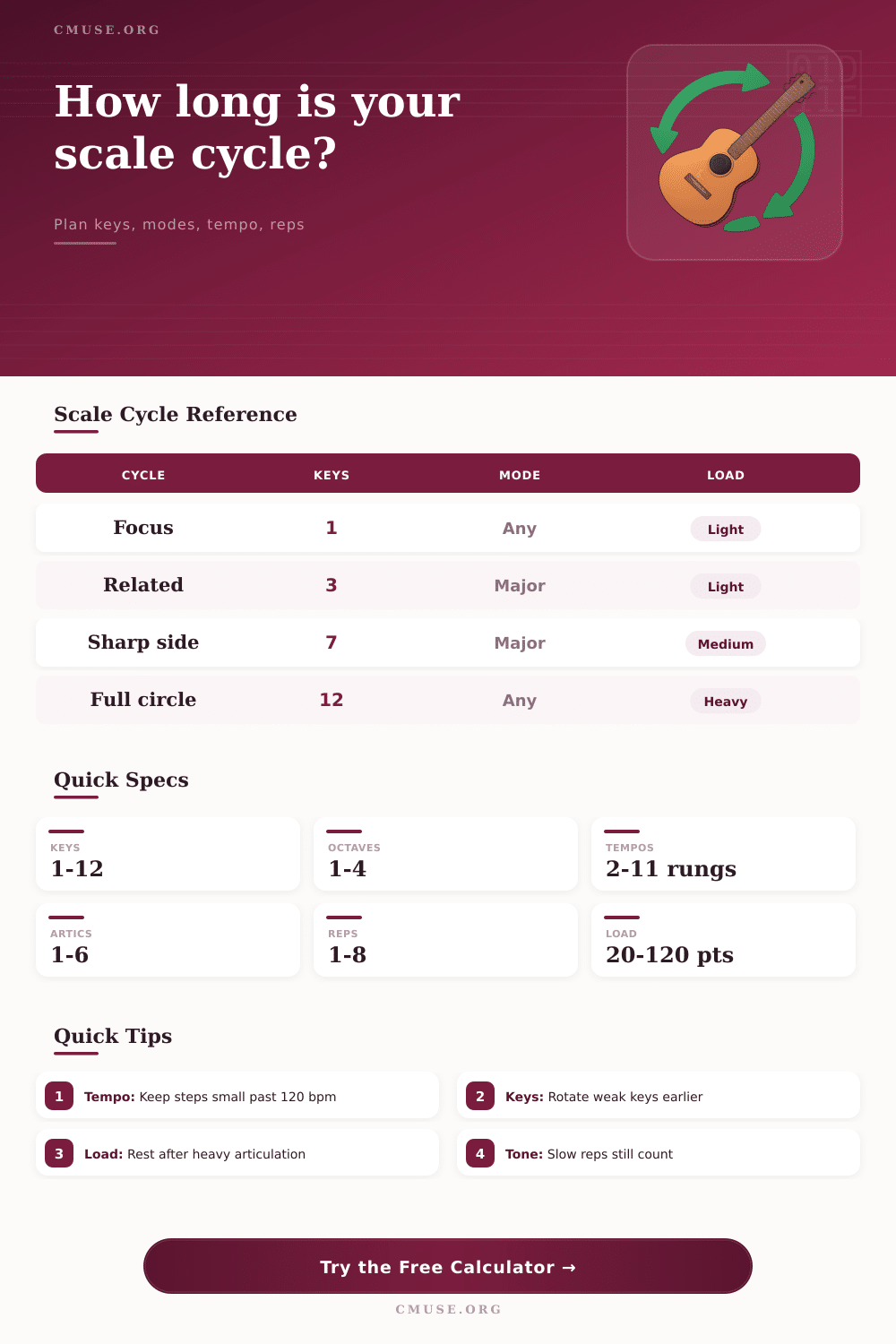
Most players see scales as just a warm-up before getting to important part: the music. This approach reduces technical practice to rote learning rather than … Read more
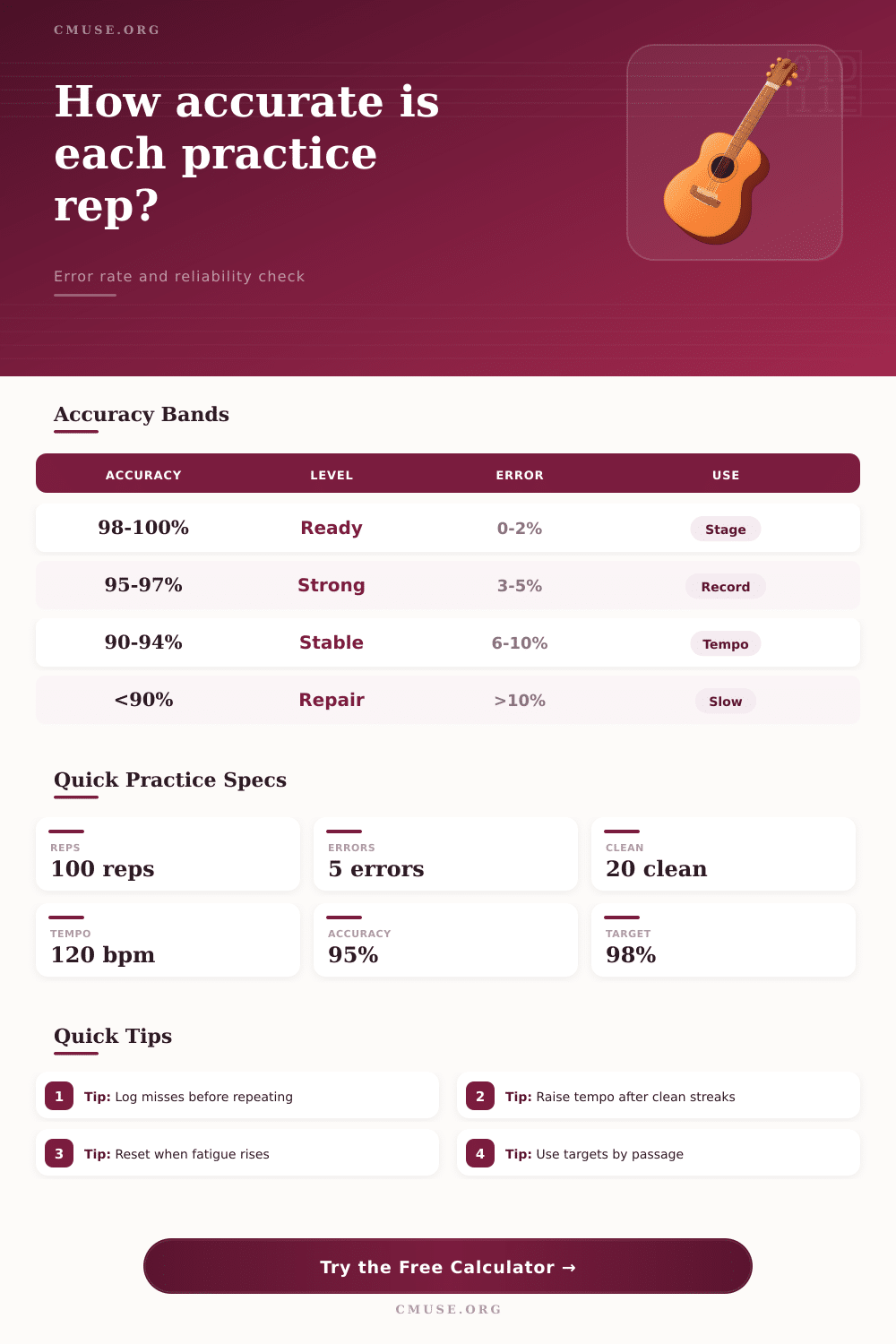
Sometimes, you’ll find yourself playing something just right in practice and then you stumble when it matters. More often than not, it’s not a lack … Read more