
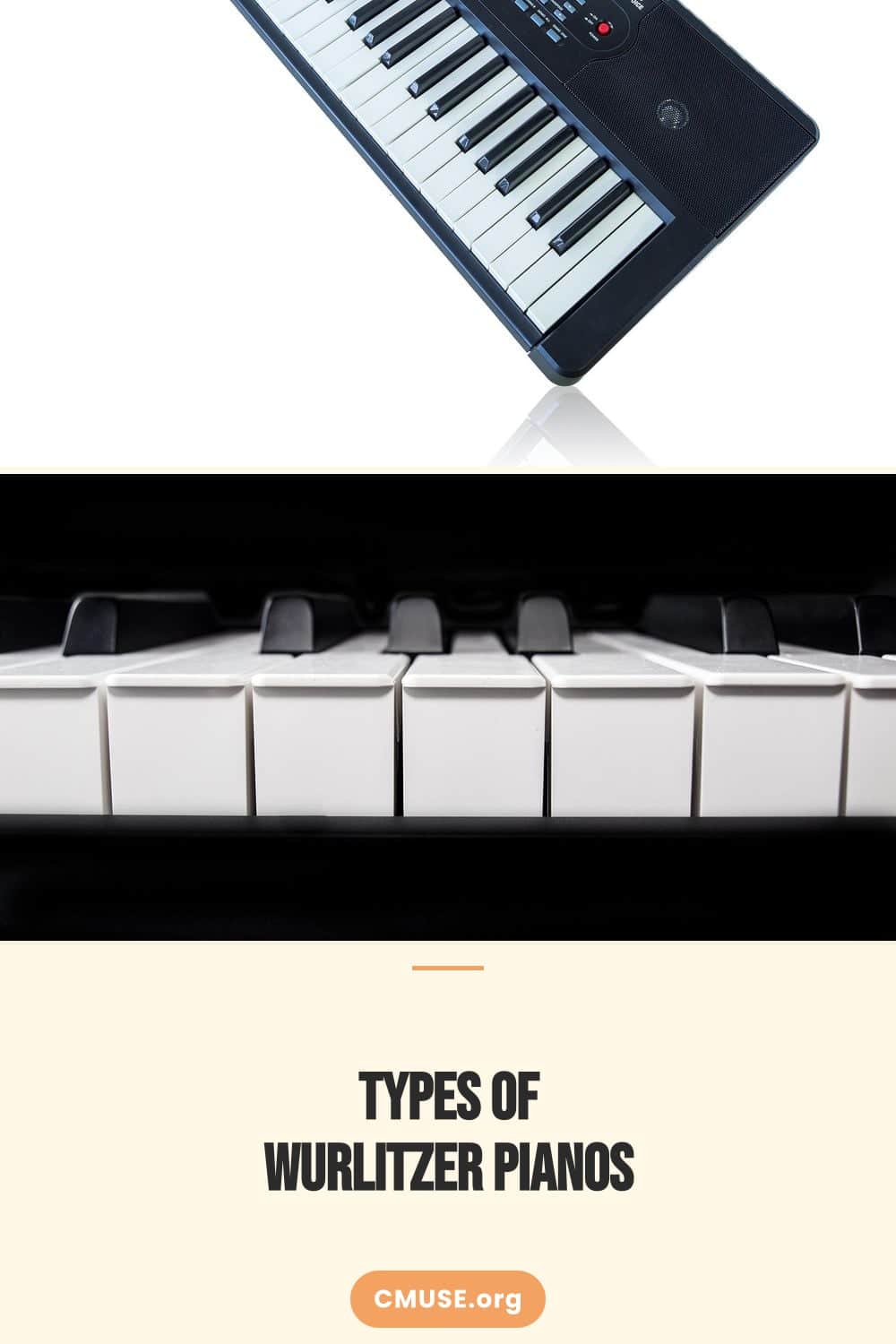
Wurlitzer pianos occupy a curious corner of musical history. They evoke smoky jazz clubs and midcentury living rooms in equal measure, yet their story runs deeper than nostalgia. These instruments bridged the gap between traditional acoustic pianos and the electronic age, delivering warm tones and surprising portability at a time when most keyboards were either immovable or tinny.
Understanding the different types reveals how one company responded to changing musical needs across decades, from silent practice tools to stage-ready performers. The distinctions matter because each model carries its own feel, sound, and ideal setting. Choosing the right one transforms how you play and what you hear.
The lineage begins with instruments designed for a world without amplification. Wurlitzer experimented with various methods to create tone without traditional strings, eventually settling on a system that used struck metal reeds. That choice shaped everything that followed.
The resulting instruments were lighter than grand pianos, more resilient to temperature swings, and capable of fitting into small apartments or school practice rooms. Yet they never sacrificed the tactile satisfaction of a real keyboard. What follows is a tour through the major varieties that emerged, each reflecting a distinct chapter in the company’s evolution and in the broader story of electrified music.
Most Popular Types of Wurlitzer Pianos
1. Model 44
The first electric piano Wurlitzer produced that gained widespread use was the Model 44. Introduced in the late 1950s, it featured a simple wooden cabinet and a straightforward amplification system. Musicians appreciated its warm, bell-like tone that cut through ensemble playing without harshness.
The reed mechanism, struck by felt hammers much like an acoustic piano, gave players familiar dynamic control. You could whisper a chord or dig in for a biting attack, and the instrument responded. Schools and churches embraced it because it stayed in tune far longer than its stringed cousins and required almost no maintenance.
The Model 44 remains a favorite among collectors who value its unadorned honesty. Its tone is round and mid-rangy, perfect for ballads yet capable of rhythmic punch when needed.
2. Model 145
A close cousin arrived with the Model 145. Slightly larger and equipped with a more powerful built-in speaker, this version addressed the primary complaint about the 44: volume. Performers who needed to be heard in louder rooms found the 145 delivered presence without distortion.
The cabinet gained a subtle elegance while keeping the instrument portable enough for one strong person to move. Many working musicians in the 1960s carried these from gig to gig, often pairing them with external amplifiers for bigger venues. The extra wattage did not change the fundamental character of the reeds, only their ability to fill space.
That balance of fidelity and power explains why so many recordings from the era still sound fresh today.
3. Model 200
By the early 1970s the Model 200 had become the definitive Wurlitzer. It is the one most people picture when they hear the name. A bold orange amplifier logo on the fallboard announced its presence, and the suitcase variant added wheels and a detachable stand for touring bands.
The action felt smoother than earlier models, and the tone took on a slightly brighter edge that suited rock and funk. Think of the unmistakable riff on Supertramp’s “The Logical Song” or the atmospheric chords on many soul records. Those sounds came from the 200 series.
Its built-in tremolo circuit introduced a gentle warble that became part of the instrument’s signature. Players learned to ride the speed knob like a guitarist with a Leslie, turning a simple chord into something alive and breathing.
4. Model 106
Not every Wurlitzer aimed for the stage. The Model 106 took a different path by focusing on silent practice. Equipped with headphones and a modest speaker, it allowed students to work through scales and exercises without disturbing neighbors or roommates.
The cabinet was compact, almost austere, yet the keyboard retained the same weighted feel that made the louder siblings satisfying. Music teachers favored it because the action closely mirrored acoustic pianos, helping students develop proper technique before graduating to louder instruments. In an era before digital pianos offered multiple headphone jacks and realistic samples, the 106 filled a genuine need.
Its restraint proved that Wurlitzer understood the full spectrum of musical life, from solitary practice to crowded clubs.
5. Console Variants (200A)
The console variants, often labeled as the 200A or similar designations, brought the electric piano into American homes in a more traditional form. These models featured elegant wooden legs, matching benches, and a stationary design that blended with living-room furniture. Parents bought them hoping their children would practice more if the instrument looked like a proper piano.
The tone remained recognizably Wurlitzer, but the larger cabinet allowed for richer bass response and a more balanced projection. These consoles often survived decades of family life, bearing the scars of misplaced coffee cups and enthusiastic toddler fingers. Their survival rate is high because they were rarely dragged from gig to gig.
Finding one in original condition feels like discovering a time capsule of suburban musical ambition.
6. Model 140B
For those who wanted maximum volume and stage durability, the Model 140B delivered. It combined the reed mechanism with a robust tube amplifier and a larger speaker system. The cabinet was heavier, but the payoff came in headroom and clarity.
Rock bands in the late 1960s and early 1970s sometimes used these as the foundation of their keyboard sound, miking them aggressively or running them through guitar amplifiers for extra grit. The 140B could stand up to Marshall stacks and screaming guitars without disappearing. Its tone grew more aggressive when pushed, revealing harmonic overtones that softer models kept hidden.
That raw edge became part of the instrument’s appeal for players seeking character rather than polite cleanliness.
7. Solid State 200 Series
Later in production Wurlitzer introduced solid-state versions of the 200 series. These replaced the tube amplifiers with transistor circuits, reducing weight and heat while maintaining the core reed sound. Some players prefer the earlier tube models for their natural compression and warmth, yet the solid-state instruments offered reliability that working musicians prized.
A transistor-equipped 200 could survive years of bumpy van rides and fluctuating venue power without needing constant servicing. The difference in tone is subtle but real. Tubes tend to round off transients, while solid-state versions deliver a faster attack.
Both have their place, and many serious players eventually own one of each.
8. EP-200A
The very last chapter arrived with the Wurlitzer EP-200A. By then the company faced stiff competition from emerging digital instruments that promised perfect tuning and multiple sounds in one lightweight package. The EP-200A refined the suitcase design with updated electronics and a cleaner aesthetic.
Its action was the most responsive of the entire line, and the tremolo circuit offered greater range. Although it appeared late in the timeline, many touring musicians discovered it after the initial wave of nostalgia had passed and recognized its genuine musical value. It proved that even at the end of its run, Wurlitzer still knew how to build an instrument that felt alive under the fingers.
Each of these models shares the same basic principle: metal reeds vibrated by hammers, picked up by electrostatic sensors, and shaped by onboard amplification. The differences arise from cabinet size, speaker power, circuit design, and intended use. That variety allowed the Wurlitzer to serve everyone from classical students to jazz legends to rock keyboardists who needed to cut through a wall of amplifiers.
The reeds themselves age gracefully, often developing richer overtones after decades of playing. A well-maintained Wurlitzer does not become obsolete. It becomes more itself.
If you sit down at any of these instruments today, the first thing you notice is the intimacy. The keyboard responds to nuance in a way that many digital emulations still chase. Whether you choose the compact practice model for your apartment or hunt for a road-worn 200 that has traveled the world, you are plugging into a specific moment when electric pianos were not trying to imitate acoustic ones.
They were inventing their own voice. That distinct character is exactly why these instruments continue to appear on modern recordings and why players keep seeking them out. The right Wurlitzer does not just sit in the corner waiting to be played.
It invites you to find new sounds inside familiar chords, turning every practice session into a small discovery.