
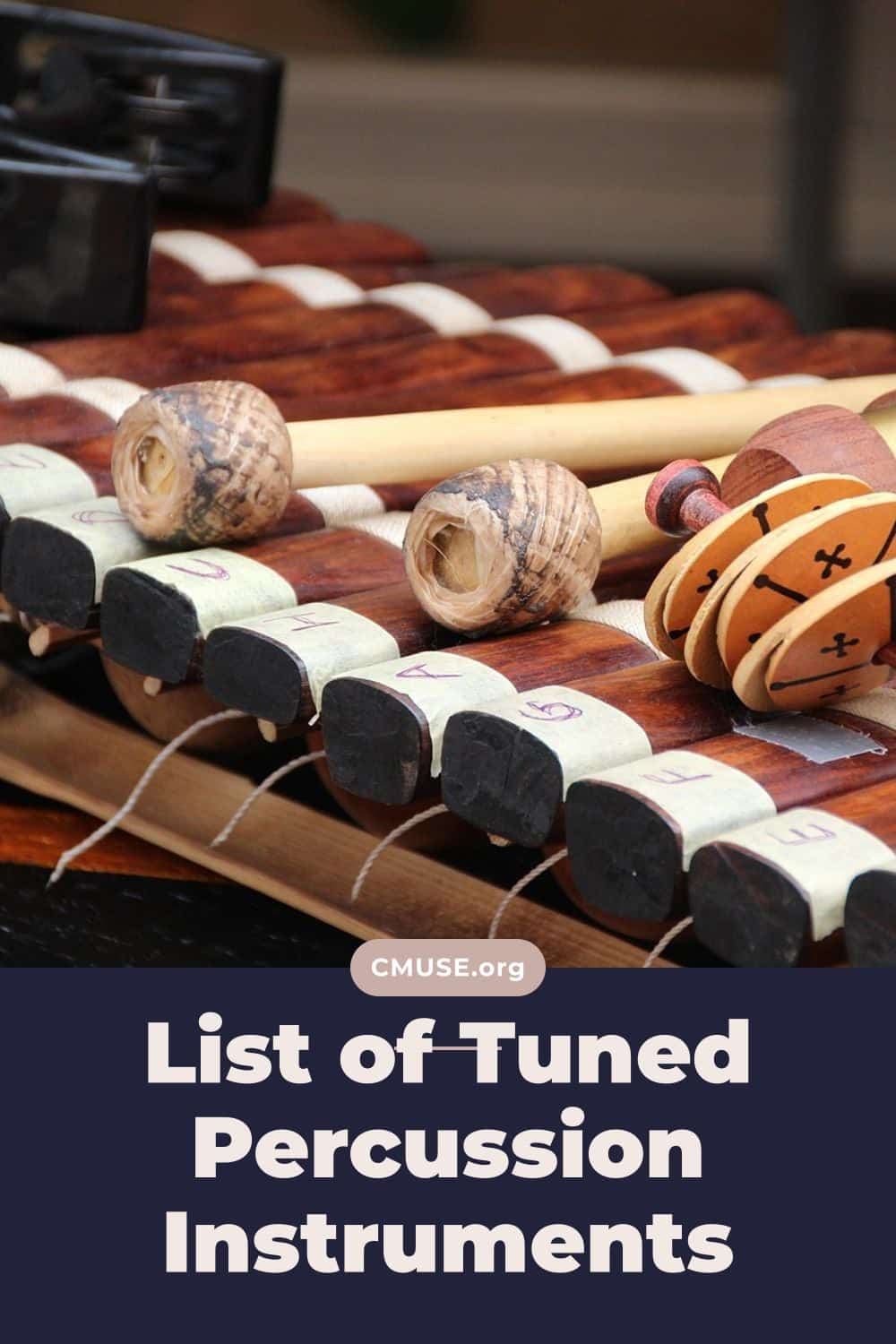
Percussion instruments bring rhythm and color to music in ways that few other tools can match. Tuned percussion stands apart because it offers precise pitches alongside that raw percussive energy. When a composer needs a shimmering chord or a haunting melody played with mallets, these instruments answer the call.
Their sounds have shaped everything from orchestral scores to jazz ensembles and modern film soundtracks. Understanding the main players in this family helps you hear orchestral music with fresh ears and gives any musician a clearer sense of what options exist when melody and rhythm need to collide.
The instruments themselves vary wildly in construction, tone, and historical roots. Some trace their lineage back thousands of years while others are relatively recent inventions. Each carries its own strengths, limitations, and ideal musical moments.
The differences matter because choosing the right one can transform a simple passage into something unforgettable. Below you will find the most important tuned percussion instruments presented in an order that moves from the most familiar to those that still surprise even seasoned listeners.
The Most Important Tuned Percussion Instruments
1. Xylophone
The xylophone is probably the first tuned percussion instrument most people meet. Its bright, wooden tone cuts through an orchestra with a distinctive dry snap that immediately signals precision and attack. Bars are usually made from rosewood or synthetic substitutes and are struck with hard mallets to produce a piercing sound that carries well in large halls.
You hear it in everything from Saint-Saens’ “Danse Macabre” to cartoon sound effects because that sharp attack instantly grabs attention. The instrument’s range typically spans three to four octaves and its layout mirrors a piano keyboard, which makes it approachable for beginners yet demanding for professionals who must master awkward leaps and dampening techniques. What makes the xylophone special is how it balances melodic clarity with percussive bite, something few other instruments achieve so cleanly.
2. Marimba
Next comes the marimba, the xylophone’s warmer, more resonant sibling. Where the xylophone feels brittle and direct, the marimba offers rich sustain thanks to its tuned resonators hanging beneath each bar. These metal tubes amplify the fundamental tone and add a singing quality that can feel almost vocal.
Modern concert marimbas often stretch to five octaves, giving composers room to write bass lines, chords, and soaring melodies on a single instrument. You will find it at the heart of Latin American music, contemporary classical works, and jazz solo literature. The tradeoff is that its softer attack requires more power from the player and the instrument itself is large and heavy, which limits its portability.
Still, when you need tuned percussion that can both growl and shimmer, the marimba is often the only right choice.
3. Vibraphone
The vibraphone brings an entirely different character to the family through its motorized fans and metal bars. Invented in the 1920s, this instrument produces a pulsing, metallic tone that can range from icy to luxurious depending on the mallets and motor speed. The vibrato effect created by the rotating disks inside the resonators gives the vibraphone its name and its signature wavering sound.
Jazz players adopted it early and it remains a staple in the genre because it can sustain notes in a way that feels almost like a horn. Classical composers also embraced it for its ability to create otherworldly atmospheres. The player must decide when to use the sustain pedal, when to let notes ring, and how fast to run the motor, all while managing the instrument’s somewhat slow response time.
Those complications are exactly why the vibraphone rewards serious study.
4. Glockenspiel
Glockenspiel might look like a toy but its musical impact is anything but childish. This instrument consists of small tuned steel bars arranged in a keyboard pattern and struck with hard beaters. Its piercing, bell-like tone sits high above the orchestra and can cut through even the loudest brass and percussion sections.
Orchestral parts often sound an octave lower than written because the instrument’s true pitch lives in the stratosphere. You hear it in Mozart’s “Magic Flute” to suggest magic bells and in countless film scores when composers need a touch of sparkle. The glockenspiel offers almost no sustain so every note must be perfectly timed and dynamically controlled.
Its small size makes it easy to transport yet its power means a single missed note can spoil an entire passage. That combination of fragility and force is what keeps it on the list.
5. Tubular Bells
The tubular bells, sometimes called orchestral chimes, bring the deep resonance of church bells into the concert hall. These large metal tubes are hung vertically and struck at the top with a leather mallet. Their sound is solemn and powerful, capable of suggesting funerals, clock towers, or distant catastrophes.
Composers reach for them when they need a dramatic punctuation that feels both ancient and massive. Unlike smaller instruments, tubular bells require significant physical space and a sturdy frame, which limits their use in smaller venues. The player must also manage the long decay time of each strike, often using dampening techniques to prevent unwanted overlap between notes.
When used well, however, few instruments can match their emotional weight.
6. Celesta
The celesta might be the most magical member of the tuned percussion family. Looking like a small upright piano, it produces sound through hammers striking steel plates rather than strings. Its tone is delicate, tinkling, and instantly recognizable from the opening of Tchaikovsky’s “Dance of the Sugar Plum Fairy.” The celesta offers a soft dynamic range that makes it perfect for intimate moments within larger orchestral textures.
Because the mechanism is delicate, players must develop a refined touch that differs from the more athletic approach required by marimbas or xylophones. Its limited range and soft volume mean it works best in smaller ensembles or as a coloristic highlight rather than a lead voice. Still, when a composer needs to suggest starlight or distant bells, the celesta has no equal.
7. Crotales
The crotales, or antique cymbals, deliver bright, bell-like pitches in a compact and versatile package. These small tuned bronze disks can be struck with mallets, clashed together, or bowed to produce ethereal sustained tones. Their high register and clear pitch definition make them useful for both melodic lines and atmospheric effects.
Many contemporary composers favor them because they can be arranged in any order on a table and combined with other small percussion instruments. The main challenge is their extreme sensitivity to touch. A fraction too much force turns a lovely chime into a harsh clank.
That narrow window between beauty and ugliness is what makes them exciting to play and to hear.
8. Lithophone
Finally we reach the lithophone, an instrument that still feels like a well-kept secret even among percussionists. Instead of wood or metal, the lithophone uses tuned stone bars, traditionally slate or basalt, that produce a dark, ringing tone unlike anything else in the percussion section. Ancient versions have been found in archaeological sites across Asia and Africa, proving that humans have been tuning rocks for thousands of years.
Modern reconstructions appear in experimental music and certain contemporary works where their earthy, almost wooden-yet-metallic sound creates a unique sonic fingerprint. The instrument is heavy, difficult to tune, and unforgiving of poor technique. Yet those very limitations explain why it continues to fascinate musicians looking for sounds that feel both ancient and brand new.
These instruments prove that tuned percussion is far more than a supporting cast. Each one brings its own personality, history, and set of musical problems that must be solved in real time. The next time you hear an orchestra or percussion ensemble, listen for these distinct voices cutting through the texture.
Whether it is the bright crack of a xylophone, the velvet sustain of a marimba, or the mysterious ring of stone, tuned percussion reminds us that rhythm and melody have never been separate pursuits. They have always belonged together, waiting for the right hands and the right moment to make them sing.