
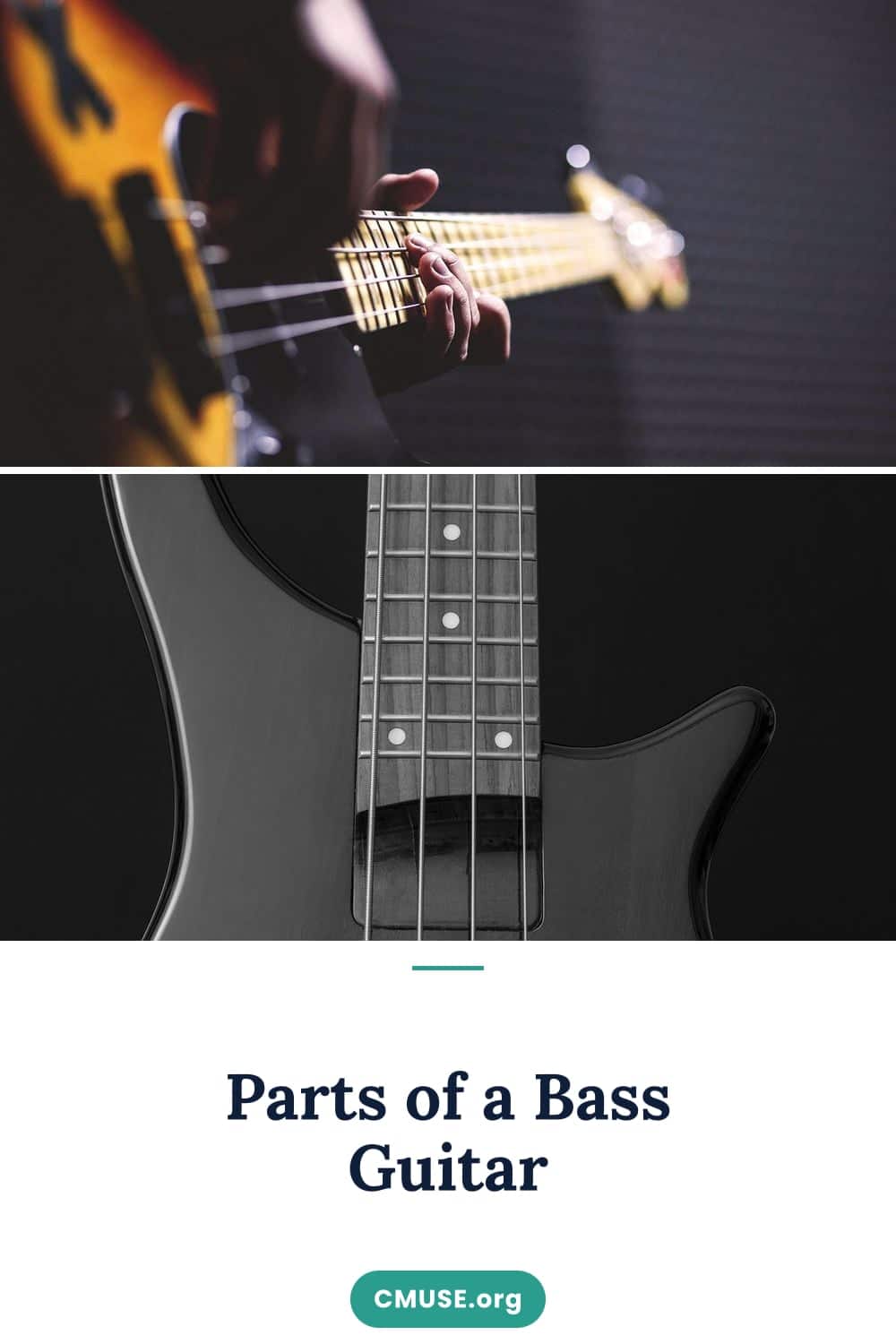
The bass guitar sits at the heart of so many songs you love, yet most players spend years tweaking pickups and pedals before they truly understand the instrument under their fingers. Learning its anatomy changes everything. Suddenly you are not just following tabs.
You are hearing how each piece contributes to tone, feel, and playability. That knowledge helps you maintain your gear, choose upgrades wisely, and even diagnose strange sounds during a gig. The good news is the parts are not mysterious once you see how they work together.
A solid grasp of the instrument’s components also prevents expensive mistakes. You stop buying accessories you do not need and start focusing on the ones that actually solve problems. Whether you play fingerstyle jazz, slap grooves, or heavy rock riffs, the same basic architecture applies.
The differences lie in how each manufacturer weights, shapes, and finishes those parts. Walking through them one by one will give you a clear mental map you can carry into any music store or repair shop.
Essential Parts of a Bass Guitar Explained
1. The Body
The body is where the magic starts and where most players first fall in love with their instrument. It is the large wooden slab that gives a bass its visual identity and a big part of its acoustic resonance before the pickups ever get involved. Alder bodies deliver a bright, balanced tone that cuts through a band mix, while swamp ash offers a slightly lighter weight and a twangy midrange that many session players swear by.
Heavier mahogany bodies add warmth and sustain at the cost of shoulder fatigue during long rehearsals. Shape matters too. A double-cutaway design lets your fretting hand fly up the neck without bumping into the body, which becomes critical once you start exploring the dusty end of the fretboard.
The body also houses the electronics cavity, bridge mounting points, and often the weight-balancing factors that decide whether the bass wants to dive toward the floor or sit comfortably on your strap.
2. The Neck
Right behind the body in importance is the neck, the long maple or mahogany beam that dictates how the instrument feels in your hand and how easily you can reach notes. Necks come in two main attachment styles. Bolt-on necks, screwed directly to the body with four large bolts, offer brighter attack and easier repairability.
Set necks, glued in place like fine furniture, tend to produce smoother sustain and a more organic feel, though they are harder to adjust if the action ever shifts. Some basses push the concept further with neck-through construction, where the neck wood runs the entire length of the instrument. That design maximizes sustain and gives a seamless transition between neck and body, but it makes future repairs a serious undertaking.
The profile of the neck, its thickness and contour from back to front, is a personal preference that can make the same scale length feel completely different from one bass to another.
3. Frets
Frets are the thin metal strips embedded in the fingerboard that divide the neck into precise notes. Their size and material affect both intonation accuracy and the kind of playing technique you naturally adopt. Tall, narrow frets let you get a lot of bend and vibrato with light pressure, which works beautifully for expressive soloing.
Wider, flatter frets reward a firmer touch and can make fast scalar passages feel more stable under the fingers. Over time frets wear down from string contact, developing grooves that cause buzzing and intonation problems. When that happens, a fret dress or full replacement becomes necessary.
Many modern basses now offer fretless options, replacing the metal with a smooth ebony or composite surface so you can slide between notes like a upright bass player. That choice opens new tonal doors but demands better intonation from your ear and left hand.
4. The Fingerboard
The fingerboard, the flat surface on top of the neck where your fingers actually land, influences both tone and maintenance. Rosewood has been the traditional choice for decades, delivering a warm, rounded attack that complements roundwound strings. Maple boards run brighter and tend to show every fingerprint, which is why many players eventually settle on matte finishes or switch to darker woods.
Ebony provides the smoothest feel and the longest life but carries a higher price tag. The radius of the fingerboard, how curved or flat it is across its width, affects how comfortable chords feel versus single-note lines. Vintage basses often came with tighter radii that make barring multiple strings easier at the expense of reach on the outer strings.
Modern compound-radius boards start curved at the nut and gradually flatten toward the body, giving you the best of both worlds without forcing a compromise.
5. Pickups
Pickups are the electromagnetic microphones that translate your string vibrations into electrical signal. Their placement and type define the bass’s core voice more than almost any other component. Split-coil designs, with two separate bobbins staggered like a staggered smile, deliver the classic punchy, mid-forward tone heard on thousands of Motown and rock records.
Single-coil pickups offer brighter, more open clarity but can pick up unwanted hum. Many manufacturers combine both in dual or triple pickup layouts with switching options so you can flick between fat and spanky tones mid-song. Active pickups built with onboard preamps add extra output and EQ shaping right at the instrument, which proves useful when you need to cut through a loud stage.
Passive pickups remain the choice for players who prefer the direct, uncolored response and the simplicity of swapping batteries zero times per year.
6. The Bridge
The bridge anchors the strings at the body end and transfers their energy into the wood. Simple fixed bridges keep string tension stable and intonation straightforward. More advanced bridges allow individual saddle adjustments so you can dial in perfect intonation across all four, five, or six strings.
Some models even incorporate string-through-body designs that increase sustain by routing the ball ends directly through the wood before they surface at the bridge. The mass of the bridge itself contributes to the low-end thump. Heavier brass or steel bridges add density and focus, while lighter alloys can emphasize a more vintage, airy quality.
A poorly set-up bridge is one of the quickest ways to kill an otherwise excellent bass, which is why learning basic setup skills pays dividends for years.
7. Tuners
Tuners, those shiny pegs at the headstock, might seem like simple hardware until you experience a set of cheap ones during a sweaty outdoor festival. Quality tuners maintain stable pitch under heavy string bends and temperature swings. Sealed gear tuners resist dust and moisture better than open-gear models, an important consideration if you tour or play outdoors often.
The ratio of the gears, how many turns of the button equal one full rotation of the post, affects how quickly you can make large pitch changes. Higher ratios give finer control once you are close to pitch but can feel slow when swapping strings between songs. Locking tuners eliminate the need to tie traditional knots at the post, cutting your restringing time in half and reducing slippage during aggressive playing.
8. The Nut
The nut sits at the junction of headstock and neck, holding the strings at the correct height and spacing before they reach the first fret. A poorly cut nut causes tuning instability and buzzing on open strings, problems that even the best setup elsewhere cannot fix. Most factory nuts are made from plastic or synthetic materials chosen for cost and consistency.
Many serious players eventually upgrade to bone, graphite, or brass versions that improve sustain and reduce string drag during bends. The nut also determines the instrument’s action at the lowest frets, so any work here requires a delicate touch and the right tools. Once the nut is right, the bass suddenly feels like it was built for your hands.
9. Controls
Controls complete the signal chain right on the instrument. Volume knobs are self-explanatory, but tone controls and pickup selectors can be surprisingly sophisticated. A simple passive tone knob rolls off high frequencies as you turn it down, letting you move from bright slap tones to warm fingerstyle thump with one twist.
Active basses often include multi-band EQ that lets you boost or cut specific frequency ranges, which becomes invaluable when battling room acoustics or unsympathetic sound engineers. Some modern instruments even hide mini-switches or push-pull pots that activate series-parallel wiring or coil taps without cluttering the control plate. Learning exactly what each knob does on your particular bass removes a layer of guesswork when inspiration strikes mid-rehearsal.
10. Strings
Strings are the only part you replace regularly, yet they remain the most overlooked variable in the entire system. Roundwound strings deliver maximum brightness and bite, the default choice for most electric bassists. Flatwound strings produce a darker, smoother sound with less finger noise, favored by upright players transitioning to electric and by those chasing a vintage Motown or jazz tone.
Half-round and tape-wound options sit between the two extremes. Gauge also matters. Lighter strings bend easier and reduce hand fatigue but sacrifice some low-end definition.
Heavier sets add punch at the cost of speed and comfort. Coating treatments can extend string life dramatically for players who dislike frequent changes, though some purists argue the coating dulls the initial attack.
Every one of these parts works in concert with the others. Change the string gauge and you may need to adjust the truss rod, bridge height, and nut slots to keep the instrument playing correctly. Swap pickups and you might discover the tone circuit no longer complements the new frequency balance.
That interdependence is exactly why understanding the complete picture matters. Once you know how each component pulls its weight, troubleshooting becomes logical instead of mysterious, and every future upgrade decision turns into a purposeful step rather than a hopeful guess.
The next time you pick up your bass, take thirty seconds to run your hand along its neck, tap its body, and twist its knobs with fresh awareness. The instrument stops being a mysterious black box and starts revealing its personality. That shift in perspective is where real musical growth begins.