
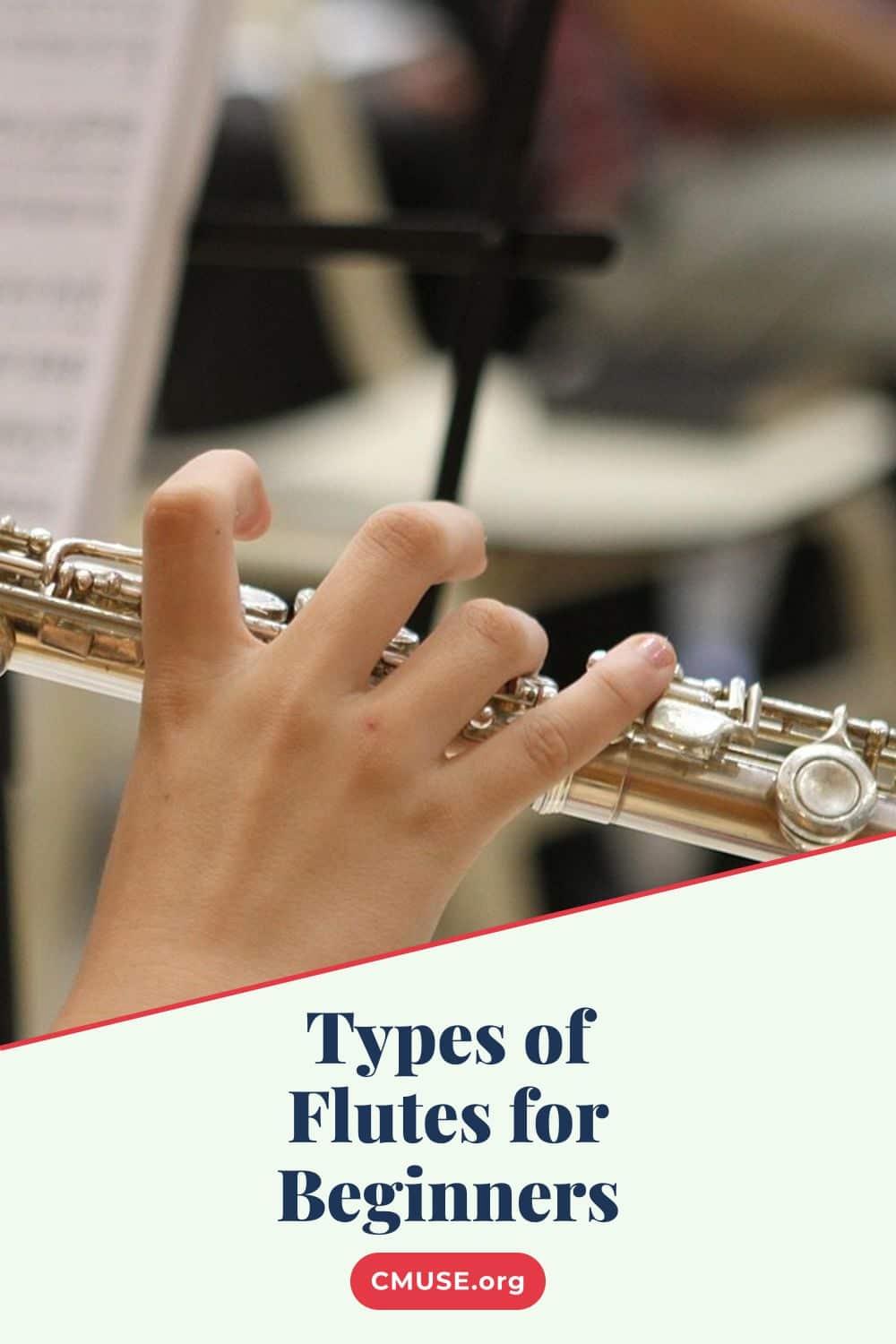
The flute has a way of sneaking up on you. One minute you’re humming along to a melody on the radio, the next you’re wondering how that pure, silvery sound is made and whether your lungs and fingers could ever produce it. For beginners the instrument feels magical and intimidating in equal measure.
The good news is you don’t need to master every detail before you start. What matters first is choosing the right kind of flute for where you are right now, because each variety behaves differently, costs differently, and teaches you something specific.
That choice can save you months of frustration and hundreds of dollars. Some flutes suit tiny hands and short attention spans. Others reward patience and deliver professional tone from day one.
A few sit in the middle, acting as bridges between toy-like starters and the instruments you’ll eventually play in ensembles. The list that follows walks through the main types a new player actually encounters, in the order most people should consider them. Each has a distinct personality, a clear best-use case, and a few honest drawbacks worth knowing before you buy or rent.
Best Types of Flute for Beginners
1. Standard C Concert Flute
The most common first flute for beginners is the standard C concert flute, often called the silver flute even when it is only silver-plated. Built in three or four sections that screw together, it plays at concert pitch and uses the familiar Boehm key system that covers almost every note you will need in school bands and orchestras. Beginners like it because the fingerings are logical once you learn them, and the sound is bright enough to cut through other instruments without being shrill.
Most student models come with a curved headjoint option that shortens the reach for smaller arms, which is a lifesaver for anyone under about ten years old or with particularly petite hands.
What makes this flute the default choice is its versatility. Once you can produce a steady tone, you can play everything from simple folk tunes to classical solos to pop arrangements. The downside is that it requires decent breath support right away.
Without enough air, the lower notes growl and the upper register refuses to speak. Still, the learning curve is well documented, so teachers know exactly how to guide you through it. If you plan to stay in music for more than a couple of years, this is the instrument that will grow with you.
2. Fife
Many parents start their children even earlier with the fife. This slender, keyless tube looks like a miniature flute and is usually made of plastic or wood. It plays in a high register, which means less air pressure is needed to get a sound.
That single fact makes it forgiving for small lungs and unsteady embouchures. Fifes were originally military signaling instruments, which explains their piercing tone and simple diatonic scale. Modern beginners use them to learn basic finger patterns, breath control, and rhythm before graduating to something more complex.
The fife earns its place on this list because it is cheap, nearly indestructible, and surprisingly musical once you accept its limited range. You can pick up decent melodies within a week. The tradeoff is that it only plays in a few keys and sounds squeaky to adult ears.
Think of it as training wheels that still let you ride down real hills. Many school music programs hand them out in third or fourth grade precisely because they build confidence fast.
3. Recorder
Another smart stepping stone is the recorder. Although it belongs to the same family as the flute, it uses a fixed mouthpiece with a whistle-like duct, so you don’t have to worry about shaping your lips correctly from the first day. Recorders come in several sizes, but the soprano in C is the one most beginners meet.
Its simple fingering system mirrors what you will later use on the silver flute, which is why so many private teachers start students on recorder for six months before switching.
The real advantage is instant gratification. Cover the holes, blow gently, and a clear note comes out. That early success keeps kids practicing.
The downside appears when you try to play louder or faster. The recorder can sound nasal and limited compared with a transverse flute. Still, the skills, especially reading music and coordinating fingers with breath, transfer almost perfectly.
Many adults who played recorder as children later pick up the silver flute with surprising ease.
4. Alto Flute in G
If you want something that feels more like a professional instrument but costs less than a full-size flute, consider the alto flute in G. It is larger, pitched a fourth lower, and has a noticeably warmer, richer tone that beginners often describe as chocolate compared with the silver flute’s lemon. The bigger bore requires more air, which can be a challenge at first, but the slower attack actually helps some students learn to support their sound instead of forcing it.
Alto flutes are less common in beginning method books, yet they deserve attention because their lower pitch makes intonation easier to hear. You can play slower melodies that let you focus on tone quality rather than speed. The obvious drawback is the price and the physical size.
Many manufacturers now offer curved headjoints for altos too, bringing the keys within reach for younger players. If your budget and arm length allow it, an alto can be a beautiful second instrument once the basic C flute is comfortable.
5. Irish Flute
For those who prefer something completely different, the Irish flute offers an intriguing path. Usually made of wood or blackwood, it is simpler in design, often with just six holes and no keys, though keyed versions exist. It is played with a more relaxed embouchure and produces a breathy, woody tone that sits beautifully in folk music.
Many beginners are drawn to it after hearing traditional sessions or movie soundtracks.
The Irish flute teaches nuance early. Because it lacks most of the keys that simplify complicated fingerings on a Boehm flute, you learn to half-hole and shade notes with your fingers, skills that sharpen your ears. It is also gentler on the wrists for some people.
The catch is that it does not blend easily with modern band music and its scale is diatonic, so chromatic passages require creative techniques. Still, if your heart leans toward Celtic or world music, starting here can be more inspiring than forcing yourself through classical exercises you don’t love.
6. Plastic Practice Flute
Another specialized but beginner-friendly option is the plastic practice flute, sometimes called a flutophone or a tonette. These classroom instruments look like toys but are engineered to behave like real flutes in terms of breath control and basic pitch. They usually have a limited range of about an octave and use simplified keywork or just tone holes.
Music educators introduced them decades ago to let very young children explore wind instruments without the expense or fragility of metal.
Their value lies in pure fun and low stakes. A child can drop one on the floor, leave it in a backpack, or play it in the car without disaster. The tone is unmistakably plastic, yet the act of producing sound and matching pitch builds the same neural pathways a silver flute will demand later.
Once the novelty wears off, most kids are ready to move up. The transition is smoother than you might expect because the fundamentals have already been practiced in disguise.
7. Piccolo
Finally, there is the piccolo, the tiny soprano member of the flute family that plays an octave higher than the concert flute. It looks like a miniature version of its bigger sibling and often shares the same headjoint with an adapter. Beginners are sometimes handed one too early because it seems easier to carry, but the truth is more complicated.
The piccolo demands precise air control and strong embouchure muscles. Its high pitch can be piercing, and small intonation errors are painfully obvious.
Still, the piccolo earns a spot on this list because some children fall in love with its bright, bird-like voice and will practice more eagerly than they would on a larger instrument. If you choose to start here, do it with a good teacher and plenty of long-tone exercises. The piccolo is not a beginner flute in the usual sense, but it can be a first flute for the right personality.
Many professional flutists keep one nearby for doubling work and say their tone on the regular flute improved once they mastered the piccolo’s demands.
No matter which flute you pick first, the instrument is only half the story. The other half is consistent, patient practice and a teacher who can hear what you need next. Some players switch types after a year or two as their hands grow and their musical tastes clarify.
Others stay with the same silver concert flute for decades and never regret it. The important thing is to begin with something that makes music feel possible instead of impossible.
The flute family is wider and more accommodating than most beginners realize. Somewhere in that range of sizes, materials, and personalities is an instrument that will meet you where you are today and still be worth playing years from now. Listen to recordings, try a few in a store or through a rental program, and trust the one that makes you want to keep blowing.
The sound you are chasing is already inside the tube. All you have to do is let it out, one clear note at a time.