
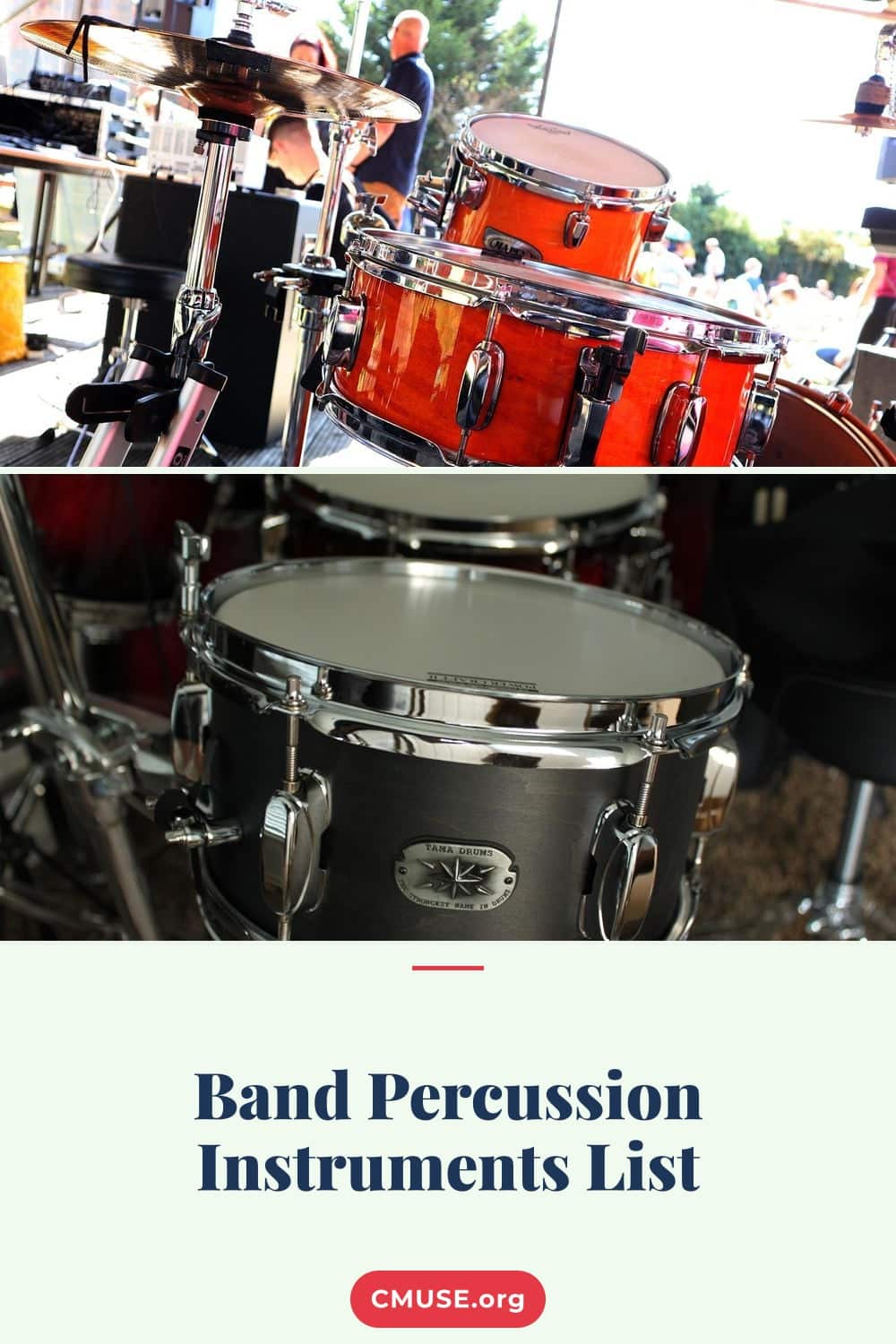
The heartbeat of any band lives in its percussion section. While the brass and woodwinds carry the melody, the drums and auxiliary instruments provide the drive, the color, and the punctuation that makes a march feel unstoppable or a ballad feel intimate. Without them the music would float away.
Yet for new band parents, student musicians, or even seasoned directors building a program, the sheer variety of percussion instruments can feel overwhelming. Each piece has its own personality, its own technique, and its own irreplaceable role in the ensemble.
Understanding what these instruments actually do changes how you listen and how you play. It also helps you avoid the common mistake of treating percussion as an afterthought or grabbing whatever is handy. The right instrument at the right moment can lift an entire piece from ordinary to electric.
In the list that follows you will meet the core tools every band percussionist should know, why they matter, when they shine, and what to watch out for.
Essential Percussion Instruments Every Band Needs
1. Snare Drum
Snare drum sits at the center of it all. This shallow cylinder with its crisp wires stretched across the bottom head delivers the sharp backbeat that defines marching bands and concert literature alike. The snare’s versatility comes from its ability to switch personalities with a flick of the throw-off lever.
Engage the snares and you get that signature rattling bite; disengage them and the drum transforms into a warm tom that blends beautifully with mallet parts. Players spend years mastering the controlled buzz roll that makes the instrument sing. The snare is often the first percussion voice a young student touches, which is exactly why it earns the top spot.
It teaches timing, dynamic control, and the art of staying steady while the rest of the band swirls around you.
2. Bass Drum
Bass drum supplies the low-end foundation that you feel in your chest more than you hear with your ears. In marching bands the oversized version strapped to a harness can weigh thirty pounds or more and still demands perfect posture from the player. Concert bass drums, by contrast, rest on a stand and allow for greater finesse with wool beaters.
The instrument’s power lies in restraint. A single well-placed stroke at the perfect moment can anchor an entire crescendo or punctuate a dramatic silence. Overplay it and the sound turns muddy fast.
The best bass drummers develop an almost symphonic sense of when not to play, which is the part most people miss.
3. Tom-toms
Tom-toms add melodic and rhythmic color that the snare and bass cannot reach. Mounted toms in a concert setup usually come in graduated sizes, letting players create descending or ascending patterns that mimic horn lines or simply drive the groove forward. In marching percussion the tenor drums, often called quints or sextets, give the line its signature rapid-fire runs and intricate stick clicks.
These instruments reward speed and accuracy but punish sloppy technique with a sound that falls apart instantly. They are the show-offs of the percussion family, yet they only work when every player locks in together.
4. Cymbals
Cymbals might look simple, two brass discs smashed together, but good crash cymbals demand real skill and surprisingly strong shoulders. The diameter, weight, and alloy all affect the wash of sound you produce. A sixteen-inch pair cuts through a loud march while an eighteen-inch pair offers more sustain for concert work.
Players learn to angle the cymbals slightly on impact so air escapes cleanly rather than producing the dreaded clamped-together thud. Suspended cymbals struck with mallets open another world of shimmering texture that composers love for atmospheric moments. The tradeoff is simple: they are loud, unforgiving, and impossible to hide if you miss your entrance.
5. Timpani
Timpani, often called kettledrums, bring pitched resonance that no other percussion instrument can match. A good timpanist tunes the calf or synthetic heads by tightening or loosening the tension screws, sometimes using a foot pedal on modern models to change pitch mid-performance. In band literature the timpani often double the bass line while adding a noble, rounded tone that blends with low brass.
The instrument rewards a refined touch. Strike too hard in the center and you choke the note; strike too softly near the edge and the tone stays thin. Learning to hear intervals and tune quickly under pressure separates serious players from the rest.
6. Mallets
Mallets encompass everything from xylophone to marimba, vibraphone to glockenspiel. Each has its own bar material and resonator design that shapes the tone. The xylophone’s bright, brittle sound cuts through the loudest brass tuttis, while the marimba’s wooden warmth adds depth to slower passages.
Glockenspiel, with its tiny metal bars, delivers those sparkling high notes that mimic a music box or distant bells. Vibraphone brings the unique ability to sustain notes through a motor-driven vibrato, giving bands a touch of jazz flavor when needed. Young players often start on bells because the technique translates directly to piano skills, yet each mallet instrument eventually demands its own touch and grip.
7. Triangle
Triangle looks like the simplest tool in the percussion closet, a bent steel rod struck with a metal beater. Yet professional triangle technique involves damping with the fingers at exactly the right moment to control the ring. The instrument’s high partials can slice through an entire orchestra when played correctly, which explains why composers from Beethoven onward wrote triangle parts that look trivial on paper but terrify students in rehearsal.
It is the master of the small-but-mighty category.
8. Tambourine
Tambourine combines the rattle of jingles with the snap of a drumhead. In marching settings players shake it for continuous rhythm or strike it against the knee for sharp accents. Concert tambourines often feature a thumb roll technique where the player runs a moistened thumb along the head to create a sustained trill.
The instrument adds a festive, almost folk flavor that works beautifully in overtures and Latin-inspired works. Its main challenge is keeping the jingles quiet during long rests so they do not buzz sympathetically with the rest of the band.
9. Woodblock and Temple Blocks
Woodblock and temple blocks offer dry, pitched clicks that cut through dense textures without adding much sustain. These resonant wooden boxes come in graduated sizes, allowing short melodic motifs that contrast with the metallic brightness of mallets. They are perfect for those moments when the music needs a touch of the exotic or a precisely timed punctuation.
The tradeoff is that they are easy to overpower, so players must develop a light touch and good judgment about volume.
10. Auxiliary Instruments
Auxiliary instruments like shaker, guiro, cowbell, and sleigh bells round out the percussion palette. Each brings a specific cultural flavor or atmospheric effect. The guiro’s scraping rasp evokes Latin street bands, while sleigh bells instantly transport listeners to a snowy landscape.
These smaller tools often fall to the youngest or least experienced players, yet they require genuine musicality. A poorly timed cowbell can wreck an entire groove, which is exactly why directors pay close attention to who handles them.
Every one of these instruments exists to serve the music rather than steal the spotlight. The best percussionists move fluidly between them, carrying a mental catalog of sounds and the techniques required to produce those sounds on demand. They understand that volume is easy but control is hard.
They know when a single soft triangle stroke matters more than a flashy drum fill.
Next time you hear a band perform, listen past the melody. Pay attention to the foundation, the color, the drive. That pulse you feel in your feet comes from years of practice on these varied instruments, each with its own demands and its own rewards.
Master them and you do not just play in the band. You become the engine that keeps it moving forward.