
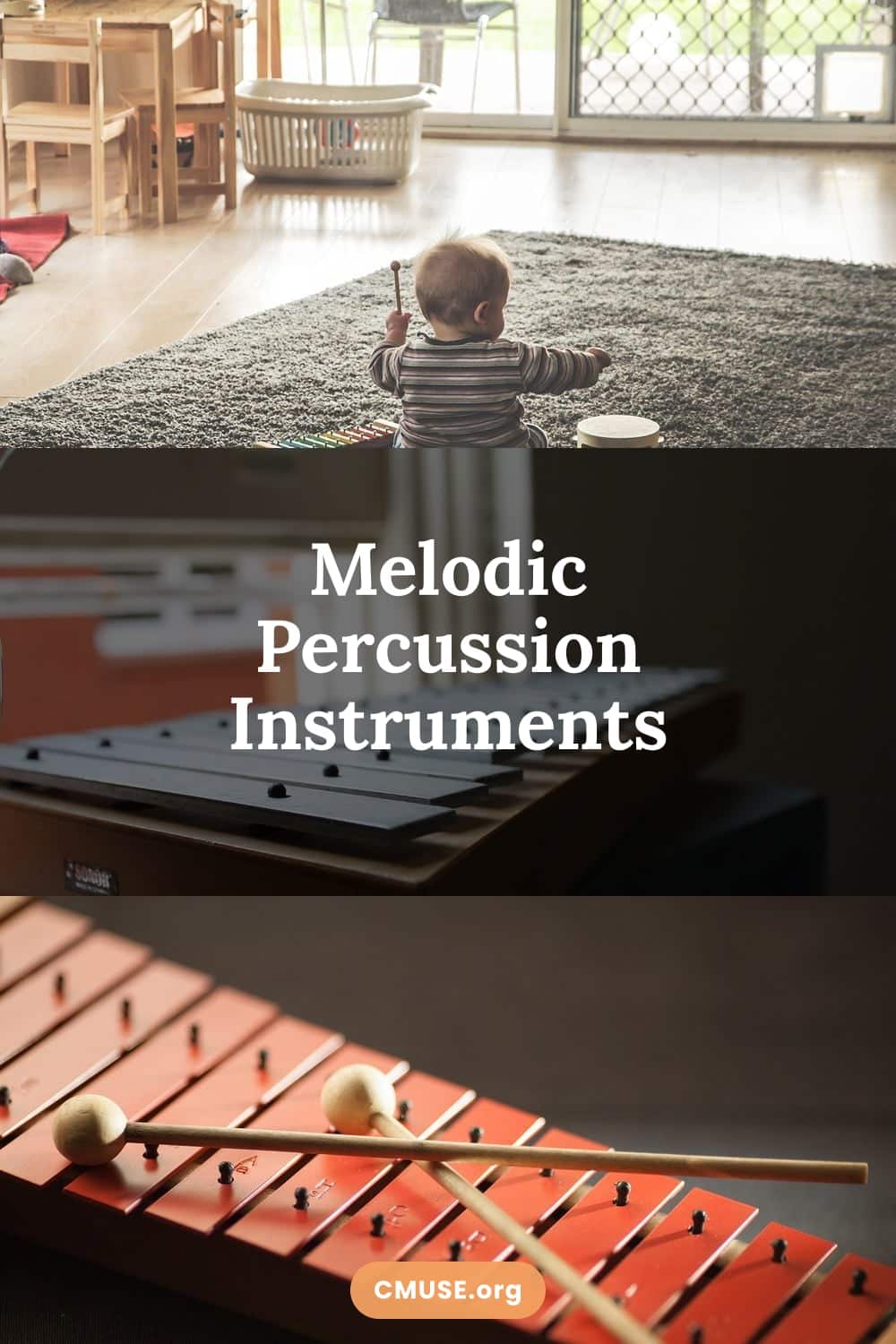
Percussion instruments have a way of anchoring a song. They keep time, sure, but the ones that also carry melody add something harder to describe: a shimmer that feels like harmony without ever leaving rhythm behind. When a marimba rolls through a chord or a vibraphone sustains a single note until it melts into the next, the line between percussion and pitched instrument disappears.
These tools turn groove into something you can hum.
That dual nature is why melodic percussion keeps showing up in every corner of music, from concert halls to street corners to bedroom producers layering samples. The instruments themselves look nothing alike, yet they all solve the same puzzle: how do you hit something and still sing with it? The answers vary wildly in materials, techniques, and cultural roots.
What follows are seven of the most distinctive melodic percussion instruments worth knowing, each with its own personality, strengths, and the situations where it shines brightest.
Seven Distinctive Melodic Percussion Instruments
1. Marimba
The marimba stands tall as the king of the wooden-bar family. Its resonators give every note a warm, rounded tone that can project across a stage or sit gently underneath a melody. Modern concert marimbas stretch over five octaves, letting players build rich chord voicings that feel almost orchestral.
The instrument earned its place on this list because it bridges classical precision and folk joy better than anything else in percussion.
You will hear it in Central American ensembles where four musicians crowd around one giant instrument, trading rapid lines that sound like a single superhuman player. The technique demands accuracy; one missed stroke and the whole phrase collapses. Yet the payoff is huge.
A well-played marimba line carries both the drive of a bass drum and the sweetness of a flute, which is exactly why composers keep writing solo concertos for it.
2. Steel Pans
Steel pans, or steel drums, bring an entirely different flavor from the Caribbean. Each pan is carefully hammered from an oil barrel until different areas produce exact pitches. The surface looks like a metallic map of notes, and when struck with rubber-tipped sticks it rings with a bright, almost vocal tone that cuts through brass and guitars without effort.
Trinidadian steel bands can number fifty players or more, each handling multiple pans tuned to different ranges. The highest tenor pans flutter like soprano voices while the bass pans rumble like distant thunder. What makes them special is their ability to sound equally at home in a calypso street parade or a quiet jazz ballad.
The instrument’s history, born from discarded oil drums in post-war Trinidad, reminds us that melody often emerges from whatever materials are closest at hand.
3. Vibraphone
The vibraphone adds electricity to the conversation. Metal bars sit over motorized fans that open and close the resonators, creating that signature pulsing vibrato. A sustain pedal lets notes ring indefinitely, something most other percussion instruments can only dream about.
Jazz players adopted it early because the vibrato blends beautifully with horns and because the instrument can swing hard while still delivering clear chord voicings.
Lionel Hampton and Milt Jackson turned the vibraphone into a lead voice rather than a novelty. The trade-off is volume: even with amplification, it rarely overpowers a full drum kit without careful miking. Still, few instruments let you draw a single note out like a sigh the way a vibes player can.
That sustain changes everything about phrasing.
4. Glockenspiel
Glockenspiel might look like a toy, but its bright, piercing tone has commanded respect for centuries. The small metal bars produce a sparkling sound that sits comfortably in the highest register. Orchestras use it for fairy-tale sparkle or to double a flute line an octave higher, giving melodies extra shimmer without adding weight.
What surprises most newcomers is how loud a good glockenspiel can be. Those tiny bars cut through brass sections and full choirs with ease. The instrument rewards clean technique because every mistake is impossible to hide.
Its military-band heritage also means it travels well, which is why you still see marching glockenspiel players in some European traditions.
5. Xylophone
The xylophone brings sharper attack and brighter tone than its cousin the marimba. Rosewood or synthetic bars give it a crisp, almost brittle sound that projects beautifully outdoors or in large halls. Orchestral literature loves it for its ability to mimic bone rattles, wooden swords, or simply to add rhythmic bite to fast passages.
Saint-Saëns used it memorably in “Danse Macabre” to represent rattling skeletons, proving the instrument’s theatrical power. Modern players often choose between xylophone and marimba depending on whether they want warmth or edge. The xylophone’s shorter sustain forces you to think more percussively even while playing melodic lines, which sharpens your musical decisions.
6. Handpans
Handpans have exploded in popularity over the last two decades, and for good reason. These convex steel instruments look like UFOs and sound like nothing else on earth. Each handpan is tuned to a specific scale, usually with one central ding and a circle of surrounding notes that harmonize beautifully.
You play them with your hands, which gives immediate tactile connection to the sound.
The instrument’s limitation is also its charm: because each handpan is locked into one scale, you cannot play wrong notes. That built-in musical safety net lets beginners sound musical immediately while advanced players explore microtonal bends and complex rhythms. Their meditative quality makes them perfect for yoga classes and street performance alike, though their relatively quiet voice means they work best in intimate settings.
7. Balafon
The balafon carries ancient West African DNA and still sounds completely fresh. Wooden bars sit over gourds that act as natural resonators, often with carefully cut holes covered by spider-egg silk to create a buzzing rattle. The sound is earthy, complex, and impossible to separate from the storytelling traditions it accompanies.
Griots have used the balafon for centuries to recount history, settle disputes, and celebrate weddings. The instrument’s pentatonic scales feel instantly familiar yet deeply rooted in specific regional traditions. Learning it teaches you that melody and rhythm are not separate categories but two sides of the same impulse.
That lesson alone makes the balafon worth studying even if you never master its lightning-fast patterns.
8. Tubular Bells
Tubular bells, or chimes, close out the list with pure drama. Long metal tubes hung in a frame produce deep, church-bell tones when struck with a mallet. Their sustain is enormous and their emotional impact immediate.
Composers reach for them when they want to signal importance, whether it’s the tolling of midnight or the weight of fate.
Because each tube must be precisely tuned and cut to exact length, the instrument is expensive and bulky. That practical reality keeps it mostly in orchestral settings rather than everyday music-making. Yet when those bells ring out over a swelling crescendo, few other instruments can match the sense of finality and grandeur they deliver.
These seven instruments barely scratch the surface of what exists across cultures and centuries. Each one proves that hitting something can be just as expressive as blowing or bowing it. The real joy comes from trying them yourself.
Even a cheap glockenspiel or a simple tongue drum can unlock ideas you never expected. Start with whichever one catches your ear, because the moment you coax a real melody out of an object meant for rhythm, you will understand why these instruments have enchanted musicians for thousands of years. The beat and the tune have always belonged together.
Some tools simply make that marriage sing.