
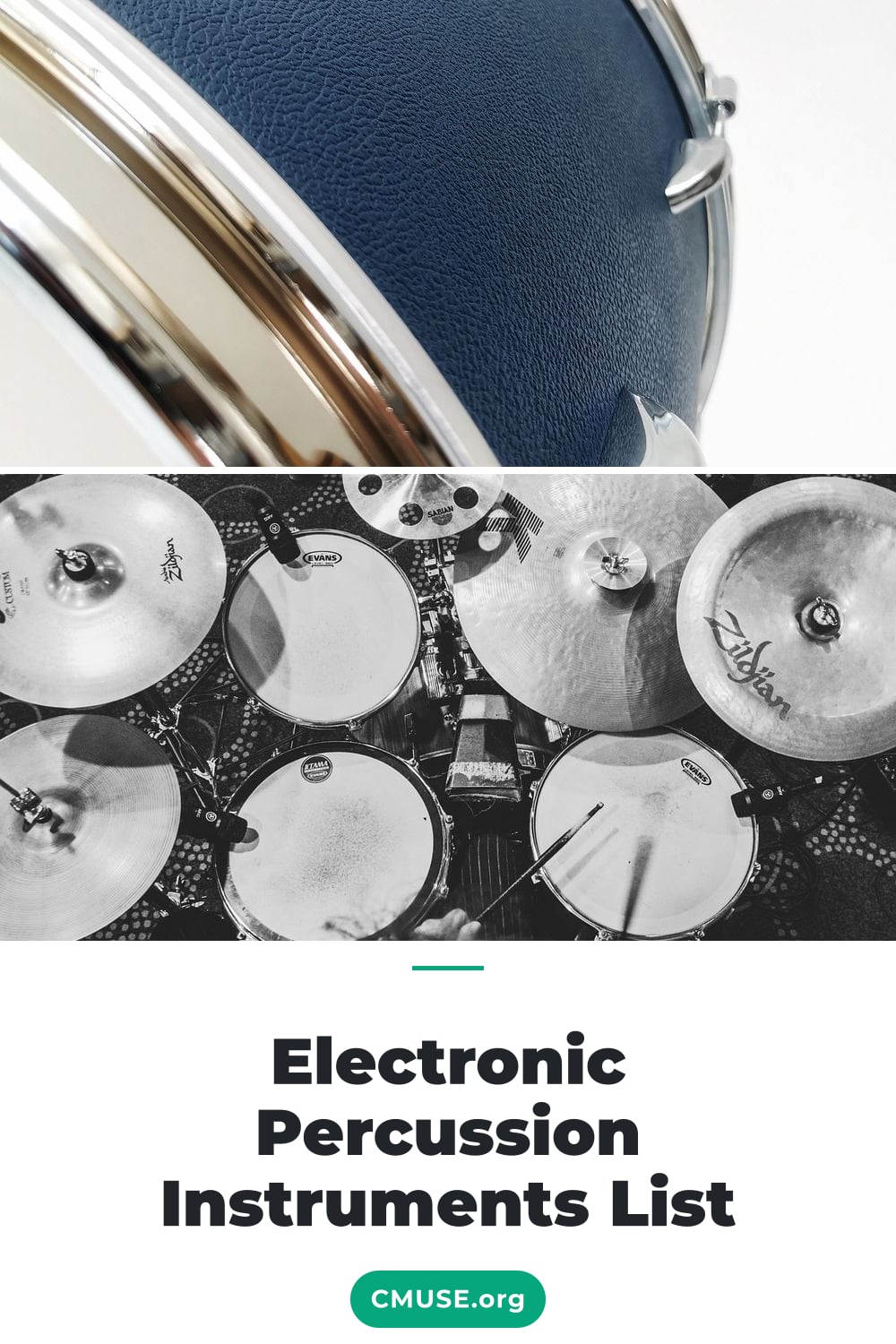
The first time you hit a drum pad and feel that instant, physical crack come back at you through your fingers, something clicks. Electronic percussion instruments have quietly rewritten what it means to play rhythm. They give you power, portability, and near-infinite sound design in a fraction of the space and weight of a full acoustic kit.
Whether you are a touring producer who needs to pack light or a bedroom musician chasing new textures, these tools expand your sonic vocabulary faster than almost any other category of gear.
The market has matured enough that the instruments no longer feel like toys or mere substitutes. They stand on their own with character, nuance, and musical personality. What follows is a guided tour through the major categories that dominate today’s stages and studios.
Each one solves a different set of problems and rewards a slightly different approach to playing. Understanding the distinctions helps you pick the right tool instead of the one that simply looks coolest in the shop window.
The Best Types of Electronic Percussion Instruments
1. Drum Machines
Drum machines remain the heartbeat of modern beat-driven music for a reason. These self-contained boxes combine sequenced patterns, onboard sounds, and often a tiny sequencer all in one rugged chassis. Classic models from the eighties still get used because their punchy, slightly imperfect analog or early digital voices cut through a mix in a way that perfectly sampled acoustic drums sometimes cannot.
You program them step by step, which forces a compositional mindset that feels closer to writing than performing. The tradeoff is that they rarely invite the loose, human feel of a live drummer unless you add external controllers. Still, nothing else lets you sketch an entire groove in ten minutes flat while riding the subway.
2. Sampling Pads
Sampling pads changed everything when they first appeared because they turned any sound into an instrument. A bright plastic grid of rubber or silicone pads triggers short audio clips, whether those clips are one-shot hits, melodic phrases, or entire loops. The magic lies in the immediacy.
You can assign a kick to one pad, a snare to the next, then flip to a completely different set of orchestral hits or found-sound textures without ever touching a menu. Finger control becomes expressive once you learn to use velocity, pressure, and even pad location for tonal variation. The only real limitation is sample memory and your own imagination.
Many players now carry entire albums worth of custom sounds on a single board the size of a laptop.
3. Hybrid Electronic Drum Kits
Hybrid electronic drum kits marry the physical familiarity of acoustic shells with digital brains. Mesh or rubber heads sit inside standard-sized drums and cymbals, feeding triggers to a module that fires high-quality samples or virtual instruments. You get the rebound and stick response you already know, plus the ability to change kits with one button press.
This category shines for drummers transitioning from acoustic gigs who still want to feel like they are playing a real kit. It also solves volume problems in small venues or apartments. The caveat is weight.
A full hybrid setup can rival the bulk of a traditional kit once you add stands and cabling, so consider carefully whether the realism justifies the extra effort to haul it.
4. MIDI Controllers
MIDI controllers built purely for finger drumming strip away the heavy hardware and focus on playability and expression. These slim, often velocity-sensitive pads connect to a computer or hardware module and let you trigger virtual instruments with surgical precision. Because they weigh so little, you can throw one in a backpack and compose anywhere.
The better models add features like aftertouch, RGB lighting that shows note information, and even small faders for real-time sound tweaking. They reward technique. Fast rolls, flams, and nuanced dynamics all translate cleanly when the pads are well designed.
If you already work inside a DAW, this is frequently the most direct path to professional-sounding electronic drums without investing in a full module.
5. Percussion Controllers
Percussion controllers that mimic ethnic or hand instruments occupy their own fascinating corner. Devices shaped like cajons, frame drums, or even imaginary alien objects use capacitive or pressure sensing to capture the subtleties of palm strikes, finger rolls, and slaps. Some include built-in speakers so you can busk on the street with nothing but the instrument itself.
Others send MIDI or audio over USB for studio use. These tools shine when you want organic movement that a standard pad grid cannot replicate. The learning curve can feel steeper because the playing surface behaves differently from sticks on a drumhead, yet once muscle memory locks in, the expressive range is enormous.
They also look far less intimidating to non-musicians at workshops or jam sessions.
6. Auxiliary Trigger Pads
Auxiliary trigger pads and add-on modules deserve their own mention because they expand any existing setup without forcing a complete replacement. A single extra pad mounted on a stand or clamped to an existing kit can trigger a specific sound, a loop, or even start and stop backing tracks. Modern versions pack impressive power into a footprint smaller than a paperback book.
You might use one to layer a808 cowbell only on the chorus or to fire off risers and impacts during a live set. The beauty is modularity. Start small, learn what you actually need, then grow the system one piece at a time instead of gambling on one giant purchase.
7. Flagship Performance Controllers
At the high end sit flagship performance controllers that feel like playing a futuristic instrument rather than merely triggering samples. These combine multiple zones of pads, touch strips, ribbon controllers, and pressure-sensitive surfaces into a single expressive playground. They invite new gestures such as sliding across sounds, squeezing them for pitch bends, or muting entire banks with the side of your hand.
The steep price and deeper menu systems make them unsuitable for beginners, yet for players who treat electronic percussion as a lead voice rather than background rhythm, the creative payoff is massive. You end up composing with your whole body instead of just your wrists.
No single choice fits every player or every situation. A minimal MIDI pad might be perfect for a laptop producer who travels constantly, while a hybrid acoustic-electronic kit could be the only sensible option for a weekend warrior still booked for loud rock clubs. The common thread is that all these instruments reward experimentation.
They invite you to layer unlikely sounds, quantize only parts of your performance, or completely rewrite the rules of what a “drum” can be.
The real joy arrives when you stop thinking about replacing drums and start imagining entirely new ones. Pick the tool that matches the music you actually want to make right now. Then let the instrument teach you what comes next.
The possibilities are literally at your fingertips.