
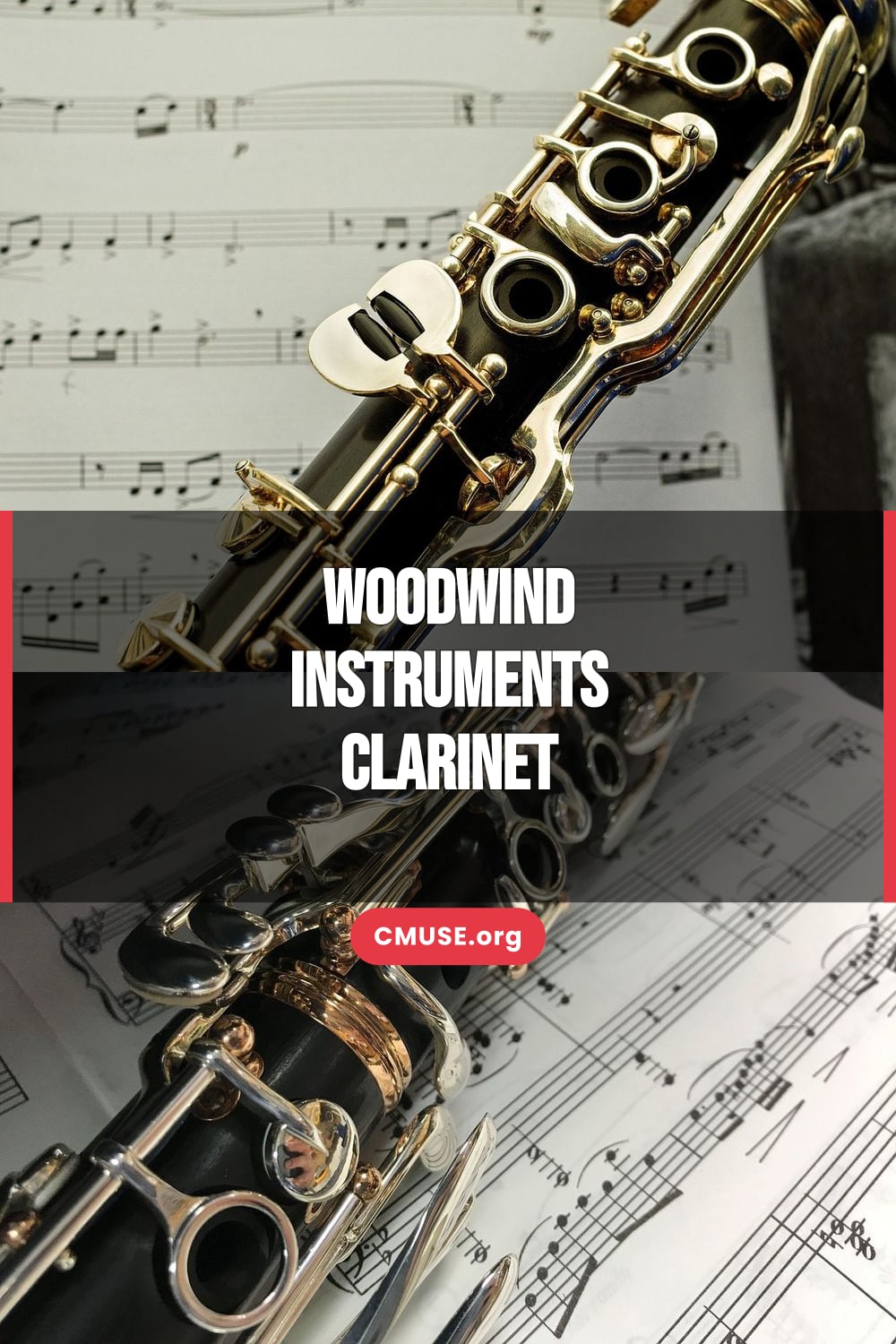
The clarinet has a way of sneaking up on you. One minute you’re listening to a symphony and the next you’re wondering how that single reed can produce such a liquid, vocal sound. It’s the chameleon of the woodwind family, capable of whispering in the low register like a cello or cutting through a brass section like a laser.
Yet for all its expressive power, the clarinet remains approachable for beginners while offering lifetimes of mastery for professionals. Understanding its different forms helps explain why it has stayed central to classical, jazz, klezmer, and marching band music for over 300 years.
The instrument’s versatility comes from its unique cylindrical bore and single-reed mouthpiece, which create the distinctive odd-harmonic series that gives it such a wide range. A good player can cover more than three and a half octaves on one horn. That range, combined with the clarinet’s ability to blend or stand out, makes choosing the right type crucial.
Whether you’re a parent shopping for your child’s first lesson or a seasoned musician expanding your palette, the following varieties each solve specific musical problems and open distinct doors.
Common Varieties of the Clarinet Family
1. B-flat Clarinet
The B-flat clarinet is where almost every player starts, and with good reason. It serves as the standard instrument in school bands, orchestras, and jazz ensembles because its keywork and size strike an ideal balance between playability and tone. The instrument sits comfortably in the hands, its pitch centers nicely in the staff, and the fingerings feel logical once muscle memory kicks in.
Most method books are written for B-flat, which means teachers can focus on embouchure and breath support instead of fighting awkward transposition. That’s exactly why this model remains the sensible first choice for beginners and the reliable workhorse for professionals who need to grab one instrument that can handle Mozart one night and a Broadway pit the next.
2. A Clarinet
Its cousin, the A clarinet, looks almost identical but sounds a whole step lower. Orchestral players keep both in their cases because much of the standard repertoire, especially from the Romantic era onward, was written with the A clarinet’s warmer, darker timbre in mind. When a composer writes in sharp keys that would force the B-flat clarinet into uncomfortable territory with too many accidentals, the A version simplifies the part and improves intonation.
The tradeoff is obvious: you must switch horns mid-concert, which requires quick adjustments to embouchure and air support. Still, the richer low register and slightly more vocal quality make the extra effort worthwhile when the music demands it.
3. Bass Clarinet
For players who crave even deeper resonance, the bass clarinet offers an entirely different experience. Curved at both ends like a bassoon and fitted with a metal neck, it reaches down to low C or even B-flat, producing tones that can rumble like distant thunder or purr like a well-fed cat. Jazz musicians such as Eric Dolphy showed the world how expressive this instrument could be beyond its traditional role doubling the bass line in orchestras.
The larger mouthpiece requires more air, the keys are spaced farther apart, and the reed is thicker, so beginners often struggle for the first few months. Once the fundamentals click, however, the bass clarinet becomes addictive. Its ability to add weight to an ensemble or take a solo that feels like spoken word is unmatched.
4. E-flat Clarinet
The E-flat clarinet sits at the opposite extreme, tiny, bright, and piercing. Often called the “sopranino” of the family, it sounds a perfect fourth higher than the B-flat and cuts through the heaviest orchestration with laser-like clarity. Marching bands and concert bands use it to provide sparkling high countermelodies that would get lost on a larger instrument.
The small size makes fingering feel cramped at first, and the reed is narrow and responsive to the point of being twitchy. Yet that very sensitivity lets skilled players produce a tone like sunlight on water. When you hear the E-flat clarinet dancing above a full symphonic texture, you understand why composers from Berlioz to Stravinsky kept writing fiendishly difficult parts for it.
5. Alto Clarinet
Somewhere between the B-flat and the bass lives the alto clarinet, an instrument that deserves more attention than it usually receives. Pitched in E-flat like its smaller cousin but larger in every dimension, it offers a mellow, vocal tone that sits beautifully in chamber music and wind ensembles. Its curved neck and downward-pointing bell give it a distinctive silhouette.
Because fewer students learn it, players who master the alto often find themselves in demand for community groups and recording sessions. The mouthpiece is wider than a B-flat’s but smaller than a bass clarinet’s, creating a middle ground that many find comfortable for long playing sessions. Its slightly husky lower register can add unexpected color to otherwise ordinary arrangements.
6. Contrabass Clarinet
The contrabass clarinet, sometimes called the pedal clarinet, pushes the family into truly subterranean territory. Standing nearly six feet tall when assembled and folding back on itself like a giant paperclip, it produces notes so low they border on the tactile. You feel them in your chest more than you hear them with your ears.
Composers use it for special effects or to reinforce the lowest bass lines in massive orchestral works. The instrument demands serious lung capacity and a reed the size of a small credit card. Only a handful of professionals own one, yet when a contrabass clarinet enters a hall, the entire acoustic environment seems to shift.
It’s the rare woodwind that can make the floor vibrate.
7. Basset Horn
Less common but equally fascinating is the basset horn, which looks like a stretched alto clarinet with a curved metal neck and a boxy extension at the bottom. Mozart adored this instrument and wrote some of his most sublime music for it. The basset horn’s tone sits between the warmth of the A clarinet and the roundness of the alto, with extra keys that allow it to reach lower than a standard clarinet.
Its name comes from the German word for “little bass horn,” though it is neither particularly little nor a horn. Modern players often use it in Mozart’s Requiem and in new chamber works that seek its peculiar, slightly mournful color. Learning one requires adjusting to different fingerings and a larger stretch, but the reward is access to a sonic world few clarinetists ever explore.
8. C Clarinet
Finally, the C clarinet occupies an interesting historical niche. Before the B-flat and A became dominant, many players carried C instruments that required no transposition. Today they appear mostly in historically informed performances of Baroque and Classical music or in folk traditions where the brighter, more direct tone fits the style.
The C clarinet is smaller and lighter than the B-flat, which makes it attractive for young players with small hands or for Doublers who need to switch quickly between flute and clarinet. Its tone is more piercing and less veiled than the B-flat, a quality some love and others find too strident. In the right musical context it can feel refreshingly straightforward.
Each of these instruments shares the same basic DNA yet solves different problems and inspires different kinds of music. The beauty of the clarinet family lies in how a single reed and a simple tube can be scaled, bent, lengthened, and keyed in so many ways while still sounding like itself. Once you pick your first clarinet and feel that reed vibrate against your lower lip, you join a long line of players who discovered that one simple instrument can speak with many voices.
The next step is deciding which voice you want to add to the conversation.