
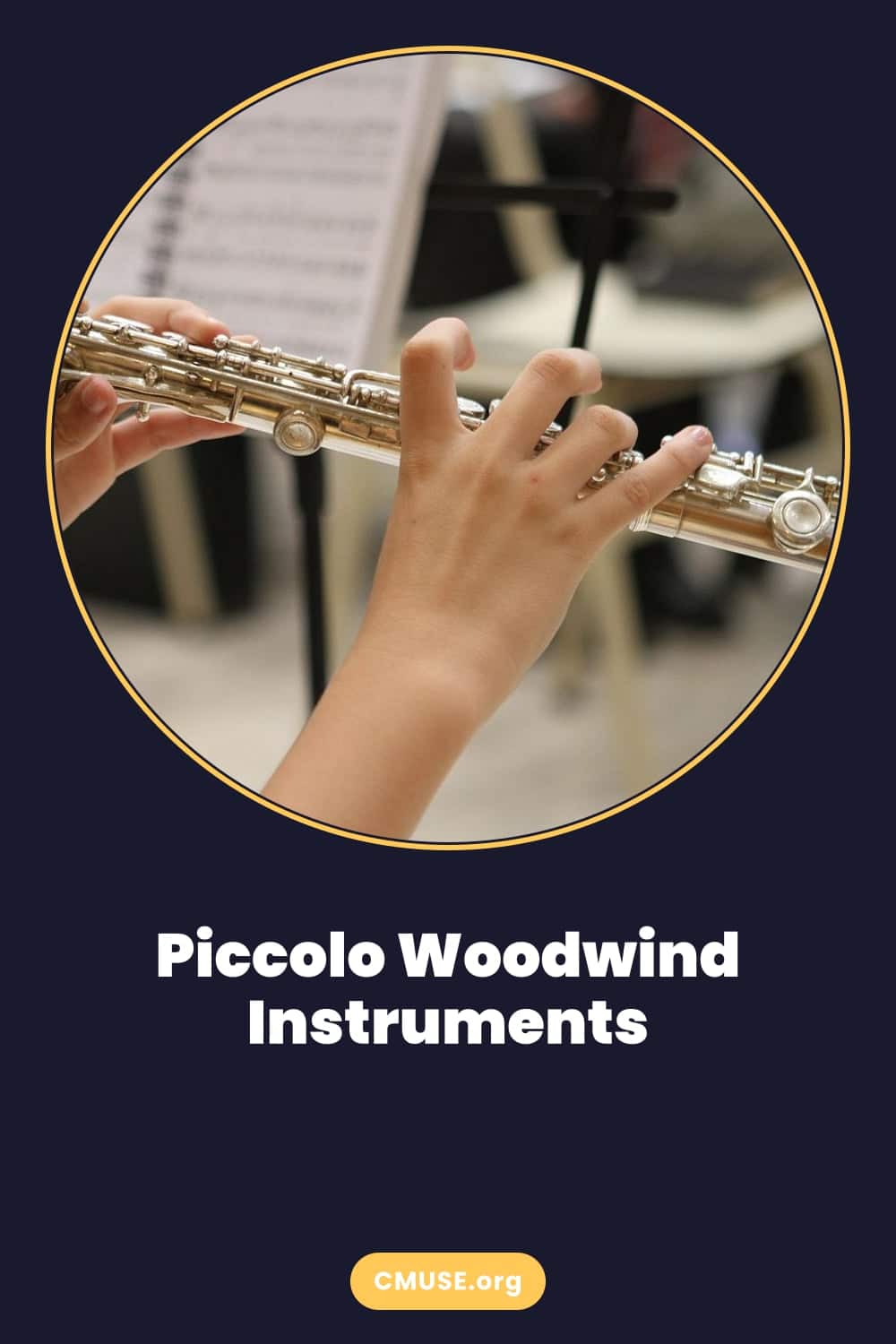
The piccolo is one of those instruments that makes people smile before they even know why. Its high, piercing voice cuts through an orchestra like a bright thread in a dark tapestry, yet it can also sound surprisingly delicate and almost vocal when played well. Most listeners associate it with flashy solos or military bands, but the truth runs deeper.
Once you understand the different kinds of piccolos and what each brings to the table, you stop hearing it as a toy flute and start respecting it as a serious, demanding instrument with its own personality, quirks, and repertoire.
Choosing the right piccolo is not just about budget or brand loyalty. The instrument you pick changes how you sound, how comfortably you play, and even what kind of music you will enjoy performing. Some models favor power and projection while others reward subtlety and warmth.
The differences come from materials, construction details, and historical design traditions that stretch back more than three centuries. Getting to know the main varieties helps you avoid buying something that fights you every time you pick it up.
Different Types of Piccolo Instruments to Know
1. Concert Piccolo in C
The modern concert piccolo in C remains the most familiar version for good reason. Built primarily from Grenadilla wood or silver, it produces a bright, focused tone that slices through brass and strings without effort. Orchestral players rely on it because it blends beautifully with the flute section while still standing out when the composer wants a sparkling top note.
The cylindrical bore and Boehm key system feel instantly familiar to anyone who already plays concert flute, which is why most beginners start here. Yet that same brilliance can turn shrill if the player lacks control, so this is the model that teaches you breath support and embouchure discipline faster than anything else. It is the workhorse, but it is rarely the only piccolo a serious player owns.
2. Wooden Piccolo
The wooden piccolo stands apart from its metal siblings in both tone and temperament. Usually made from African blackwood, grenadilla, or even boxwood in historical replicas, these instruments deliver a rounder, sweeter sound with less of the piercing edge that metal versions can produce. Many professionals keep a wooden piccolo specifically for softer passages, Baroque music, or chamber settings where warmth matters more than volume.
The denser material responds differently to temperature changes, which means you spend more time tuning but gain a vocal quality that metal simply cannot match. Players who switch between wood and metal often say the wooden one feels more like singing through a living material. That organic connection is worth the extra care it demands in maintenance.
3. Silver Piccolo
The silver piccolo offers unmatched power and projection, which explains why marching band and outdoor performers gravitate toward it. Nickel silver or sterling silver construction gives the instrument a brighter, more brilliant timbre that carries across large fields or over heavy percussion. The keys feel crisp and the mechanism tends to be more durable under rough use.
However, that extra brilliance comes with a tradeoff. Without careful breath support the high notes can turn harsh or whistle-like. Many college players discover this the hard way during their first outdoor rehearsal.
Still, when you need to be heard over a full wind ensemble or a loud orchestra, the silver piccolo is often the only choice that will not disappear in the texture.
4. Renaissance and Baroque Piccolos
The Renaissance and Baroque piccolos represent an entirely different approach to the instrument. These one-key or multi-piece designs, often made from fruitwood or boxwood, produce a softer, more reedy tone that blends with gut strings and natural trumpets. Their tapered bore and simpler keywork require a different embouchure and breath control than modern instruments.
Serious early-music players treat these as specialized tools rather than stepping stones. The fingerings are unfamiliar, the intonation demands constant adjustment, and the dynamic range sits lower than what modern ears expect. Yet once you hear a well-played Baroque piccolo floating above a viol consort, the historical logic becomes obvious.
It is not a lesser version of the modern instrument. It is a different voice from a different musical world.
5. E-flat Piccolo
The E-flat piccolo occupies a smaller but important niche, especially in older military band literature and certain contemporary works. Pitched a minor third higher than the standard C piccolo, it offers even more brilliance and can reach stratospheric notes that make listeners wince in the best possible way. Very few players own one as their primary instrument because the repertoire is limited and the embouchure is demanding.
Those who do usually came to it after years on C piccolo and wanted a new challenge. The E-flat model rewards precision and punishes sloppy air support more severely than any other member of the family. When a composer calls for it, though, the unique color it adds is unmistakable.
6. Composite Piccolos
Composite piccolos built from synthetic materials have improved dramatically in recent years. These models combine a resin or composite body with traditional keywork to offer stability across temperature and humidity swings that would make wooden instruments go out of tune within minutes. For doublers who move between flute, piccolo, and other woodwinds during a single show, the consistency is a genuine advantage.
They will never match the tonal complexity of a fine grenadilla instrument, but they come close enough for many working musicians. The best versions even manage a surprising warmth. They prove that sometimes the practical choice does not have to feel like a compromise.
7. Curved-head Piccolo
The curved-head piccolo serves younger players and anyone with smaller hands particularly well. By adding a gentle curve to the headjoint, manufacturers shorten the reach between keys and reduce the stretch required for the left hand. Many adult players with arthritis or hand injuries also prefer this design for long rehearsals.
The tradeoff appears in tone. The extra curve can slightly dampen the highest notes and change the resistance felt by the player. Still, when the alternative is not being able to play at all, the curved model becomes a smart, humane solution rather than a beginner-only tool.
Each of these piccolos asks something different from the musician holding it. The concert C model teaches power and projection. The wooden version rewards patience and tonal refinement.
Silver demands volume control while Renaissance models require historical awareness and flexibility. No single instrument does everything perfectly, which is exactly why serious players end up owning at least two and often more. The journey of discovering which voice suits you best is part of what makes the piccolo such a fascinating instrument.
So the next time you hear that unmistakable high sparkle floating above an orchestra, remember there is more than one way to create it. The right piccolo for you is waiting. It might be bright metal, warm wood, or something unexpected.
The only way to know is to pick one up, take a breath, and listen to what it wants to say.